Surviving the American Grocery Store: A Guide for Expats
From decoding nutrition labels to mastering coupon culture, navigating America's massive grocery stores doesn't have to be overwhelming for newcomers.
I still remember walking into a Costco for the first time after we moved to the Bay Area from Singapore. The sheer size of the place was overwhelming :D Everything was bigger — the aisles, the carts, the packages. My wife and I just stood there for a moment, trying to figure out where to even begin. If you are an expat who has had a similar experience, this guide is for you.
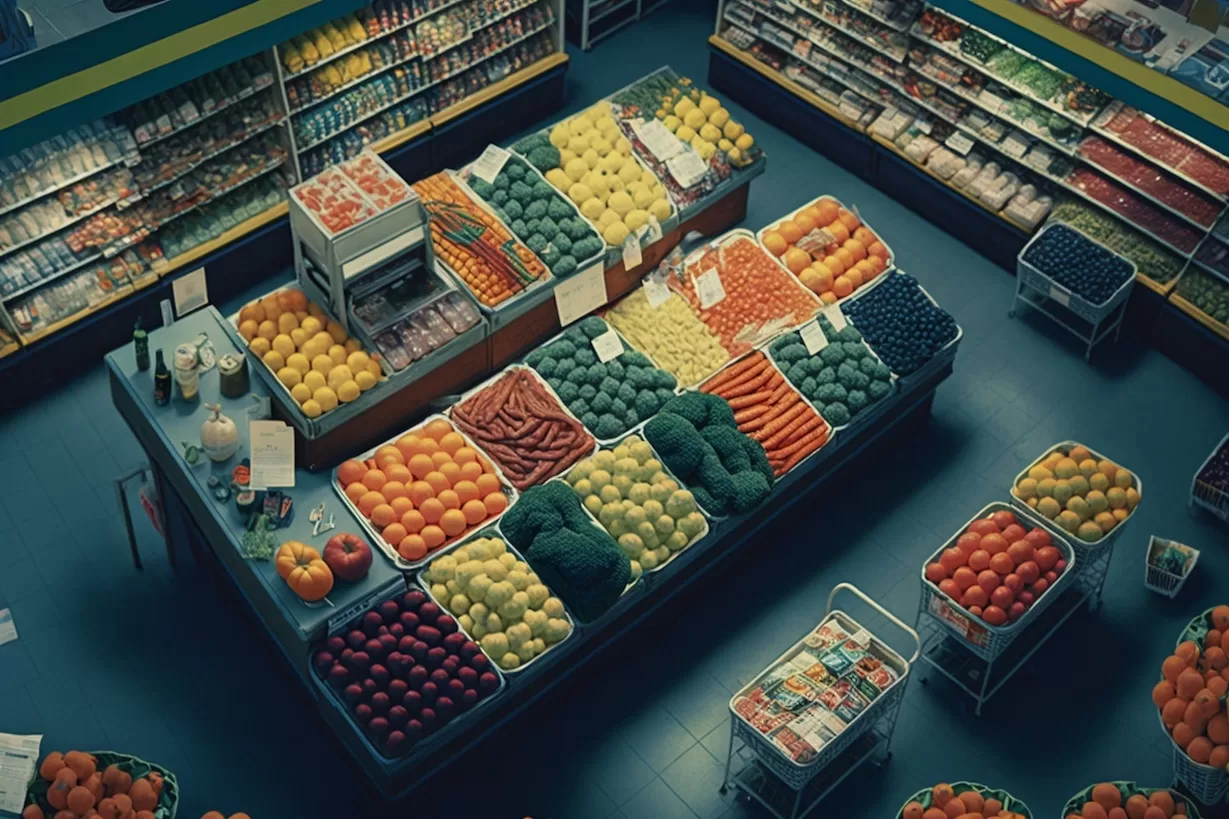
Navigating the Aisles
American grocery stores tend to be much larger than those in other countries, offering a dizzying array of products. My advice: make a shopping list beforehand to stay focused and save time. Otherwise, you will end up buying things you don't need :P Trust me on this one. Familiarize yourself with the store layout and keep an eye out for sales and discounts.
Understanding Units of Measurement
In the US, groceries are measured in pounds, ounces, gallons, and quarts. Coming from the metric system, this took me a while to get used to. I still sometimes have to Google the conversion when I am at the store. Familiarize yourself with these units and their conversions to avoid confusion when buying produce or following recipes.
Decoding Nutrition Labels
American food products come with detailed nutrition labels, which is actually great from a health perspective. In Singapore and Vietnam, this level of detail is not always available. Learn how to read these labels to make healthier choices and understand serving sizes, daily values, and nutrient information.
Discovering New Ingredients
Embrace the opportunity to experiment with new ingredients. American grocery stores often carry a wide variety of international foods and seasonings that may be unfamiliar but can add a unique twist to your home-cooked meals.
Our experience has been generally positive whenever we try new ingredients in the US.
Shopping for Produce
While fruits and vegetables may look similar to those in your home country, they might taste different due to variations in growing conditions and farming practices. Give yourself time to adapt to the new flavors and seek out local farmers' markets for the freshest produce.
While the farmers' markets can be more expensive, the produce is generally very fresh so it is worth it.
Buying in Bulk
Many American grocery stores offer bulk-buying options, allowing you to purchase large quantities of dry goods like rice, pasta, and beans at discounted prices. Investing in reusable containers can help you save money and reduce plastic waste. Check out Costco or Walmart for any dry/canned items, etc.
Adapting to American Tastes
Some popular American products, like peanut butter and ranch dressing, might be unfamiliar to expats. Give these items a try to better understand the local palate and expand your culinary horizons. While I write this, as a family, we still like Asian taste more :P and so it is really a personal choice :)
Coupon Culture
Americans love their coupons, which can offer significant savings on your grocery bill. Look for coupons in newspapers, store flyers, and online to take advantage of discounts. It is typical for you to receive coupons in the mail too.
Conclusion
Grocery shopping in the US was intimidating at first, but honestly, after a while it becomes quite enjoyable. There is so much variety, and once you learn the system (coupons, bulk buying, farmers' markets), it can actually be a lot of fun. At the end of the day, my family and I still gravitate toward Asian food and ingredients, but we have definitely expanded our taste since moving here.
What about you? If you are an expat, what was your biggest surprise at the American grocery store? Any tips for fellow newcomers? I would love to hear your stories!
Cheers,
Chandler