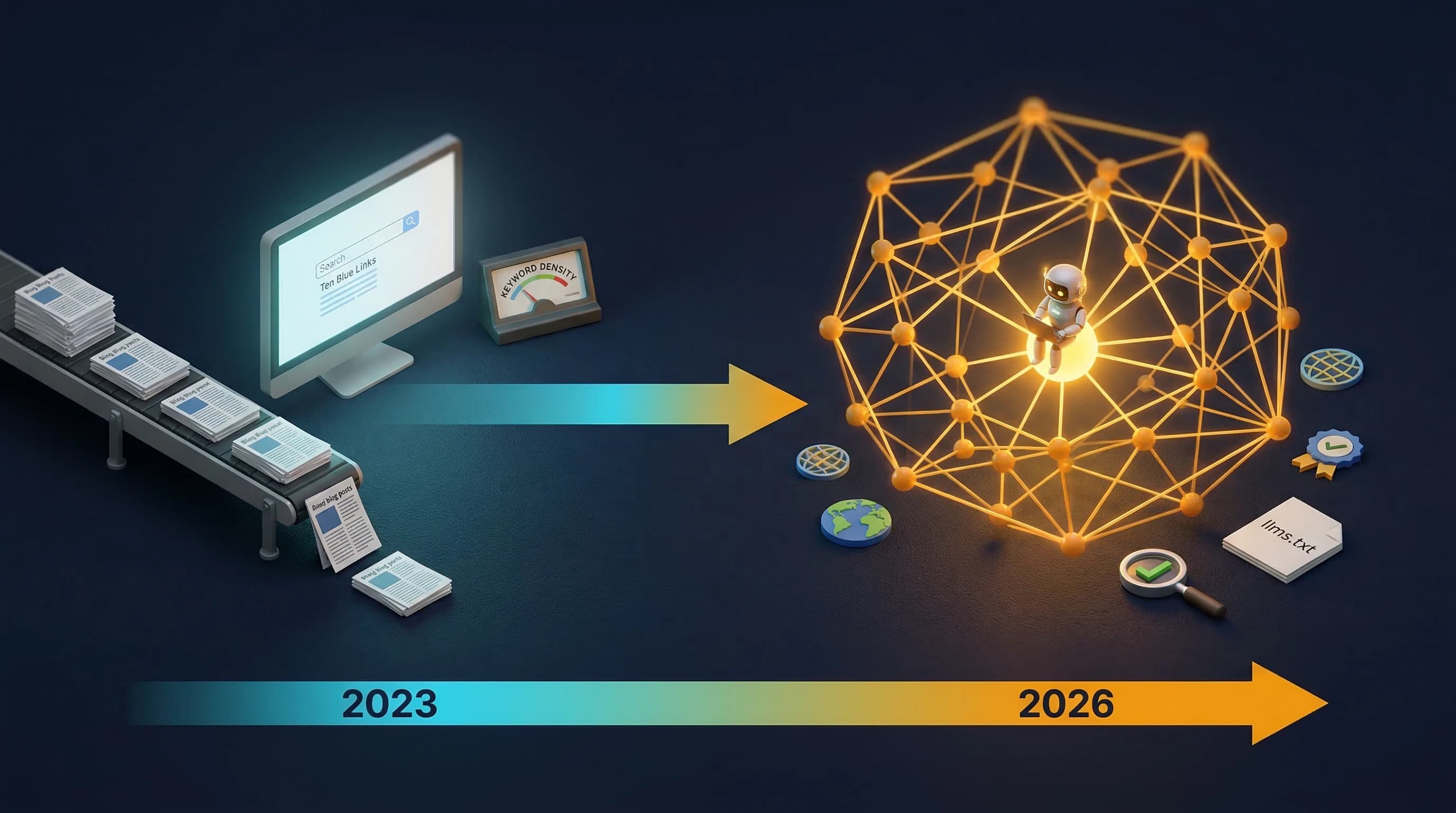
AI ने Floor बढ़ा दिया। Depth से जीतोगे।
AI entry-level काम replace करता है — ये narrative ही गलत है। एक junior activation में busywork नहीं कर रहा — वो DV360 targeting configure कर रहा है, tracking pixels QA कर रहा है, bid strategies manage कर रहा है। असली सवाल ये है: जब AI सबका floor raise कर दे, तो advantage कहाँ से आएगा? Depth से।
पिछले कुछ महीनों से मैं एक AI-Native Media Operations course बना रहा हूँ। सात modules। दर्जनों slides। और जो एक slide मैं बार-बार rewrite कर रहा हूँ — जो मुझे अभी भी लगता है सही नहीं हुई — वो इस बारे में है कि जब operating model 75-80% AI पर shift हो जाए, तो industry में enter करने वालों का क्या होगा।
मैं बार-बार confident-sounding versions लिखता हूँ। फिर delete कर देता हूँ, क्योंकि मैं confident नहीं हूँ। मेरे पास directions हैं, answers नहीं। और मुझे लगता है इस conversation का honest version polished version से ज़्यादा useful है।
तो ये है जो मेरे दिमाग में चल रहा है।
Narrative गलत है
आपने सुना होगा: "AI entry-level काम replace कर देगा।" साफ-सुथरी story है। गलत भी है — या कम से कम, ये misunderstand करती है कि entry-level लोग actually करते क्या हैं।
एक modern media agency की disciplines देखो:
- Strategy: Competitive analysis pull करना, research briefs synthesize करना, data में वो patterns spot करना जो seniors miss कर जाते हैं क्योंकि वो दिन भर meetings में रहते हैं
- Planning: Media plans बनाना, budget scenarios run करना, audience segments construct करना — अक्सर actual data के ज़्यादा करीब होते हैं उस senior planner से जो उनका काम review कर रहा है
- Activation: DV360 targeting configure करना, tracking pixels QA करना, platforms पर bid strategies manage करना — genuinely technical, high-stakes काम जहाँ एक misconfigured audience कुछ ही घंटों में budget blow कर सकती है
- Ad Ops: Ads traffic करना, tracking discrepancies debug करना, दर्जनों platforms पर measurement integrity maintain करना
- Research: Survey methodology evaluate करना, sample bias catch करना, qualitative responses code करना — careful analytical काम जिसमें genuine skepticism चाहिए
- Reporting: Dashboards बनाना, anomalies identify करना, ये जानना कि data add up नहीं हो रहा भले ही charts अच्छे दिख रहे हों
ये "repetitive tasks" नहीं हैं। ये substantive contributions हैं जिनमें judgment, platform knowledge, और client context चाहिए। DV360 campaign configure करने वाला व्यक्ति busywork नहीं कर रहा — वो दर्जनों technical decisions ले रहा है जो directly affect करते हैं कि media plan actually deliver करेगा या नहीं।
Senior Validation Gap जिसके बारे में कोई बात नहीं करता
एक बात जो मुझे लगता है काफी discuss नहीं होती: आपका VP सालों से रोज़ DV360 में नहीं गया है। आपका planning director अब हाथ से audience segments नहीं बनाता। Strategic decisions लेने वालों ने platform-level execution इतने लंबे समय से delegate कर दिया है कि वो चाहें तो भी उस layer पर AI output validate नहीं कर सकते।
जब AI एक campaign setup generate करे, तो कौन validate करेगा कि ये correct है? जब ये audience segment बनाए, तो कौन check करेगा कि data sources सही हैं? जब ये measurement framework produce करे, तो किसको पता होगा कि tracking architecture actually इसे support करता है?
अक्सर ये platforms के सबसे करीब वाले लोग करते हैं। वही लोग जिनसे कहा जा रहा है कि उनका काम "routine" है।
मुझे लगता है यही वो gap है जो "AI replaces junior work" narrative को dangerous बनाता है। AI जो 75-80% handle करता है उसे अभी भी validation चाहिए। उस validation के लिए depth चाहिए — platform expertise, tracking architecture knowledge, data source familiarity। और बहुत सारी organizations में, ये depth उन्हीं लोगों के पास है जिनके बारे में हम casually कह रहे हैं कि वो displace हो जाएँगे।
The Parade Problem
मैं बार-बार इस analogy पर आता हूँ। जब सबके पास AI है, तो broad capability एक parade बन जाती है — दूर से impressive, करीब से identical। हर agency media plans, audience insights, competitive reports, creative briefs scale पर generate कर सकती है। Tools same हैं। Prompts converge हो जाते हैं। Output normalize हो जाता है।
तो advantage कहाँ से आएगा?
Depth। AI + competitors से specific disciplines में ज़्यादा deep जाना। Broader नहीं — deeper।
ये counterintuitive है अगर आप ऐसी industry में बड़े हुए हैं जो "T-shaped" generalists को value करती थी। लेकिन मुझे लगता है shape बदल रहा है। जब AI T का horizontal bar free में दे दे, तो एकमात्र differentiator ये है कि vertical bar कितना नीचे जाता है।
Depth-First Career Development
पुराना model था: broad start करो, बाद में specialize करो। आप departments rotate करते, planning और buying और reporting का exposure लेते, फिर eventually अपनी lane ढूंढते।
मुझे लगता है अब बेहतर model उलटा है: पहले deep जाओ, फिर broaden करो।
AI पहले से breadth provide करता है। कोई भी junior AI use करके media plan draft कर सकता है, competitive analysis बना सकता है, या research summary generate कर सकता है। ये floor है — सबके लिए raise हो गया है। जो scarce है वो वो person है जो activation या measurement या creative evaluation को AI से बेहतर जानता है। वो person जो AI output देखे और तुरंत बता दे कि क्या गलत है।
ये evaluation skill — AI के काम को genuine expertise से assess करने की ability — इसके लिए depth चाहिए। और depth के लिए एक discipline में focused time चाहिए, पहले दो साल में पाँच departments में rotation नहीं।
"Going Deeper" Actually कैसा दिखता है
यहाँ मैं specific होना चाहता हूँ, क्योंकि generic career advice बेकार है।
Activation: Platform-AI bridge बनो। Platform capabilities और limitations इतनी अच्छी तरह जानो कि spot कर सको जब AI की configurations reality में काम नहीं करेंगी — वो audience जो deliver करने के लिए बहुत narrow है, वो bid strategy जो objective को suit नहीं करती, वो placement list जिसमें ऐसी inventory है जो client ने explicitly exclude की थी।
Ad Ops: Tag implementation से tracking architecture पर shift करो। बस pixels place मत करो — वो measurement infrastructure design करो जिस पर AI depend करता है। Consent frameworks, server-side tagging, data clean rooms समझो। जो person measurement systems architect कर सकता है, उसे AI displace नहीं कर रहा। वो और important हो रहा है।
Planning: सिर्फ build मत करो, stress-test करना सीखो। अब कोई भी plan बना सकता है। Value ये जानने में है कि math work करता है लेकिन strategy नहीं — जब reach curve efficient दिखे लेकिन frequency audience को annoy करेगी, जब channel mix paper पर optimized हो लेकिन ignore करे कि brand actually हर environment में कैसा दिखता है।
Research: Skepticism को core skill बनाओ। AI किसी भी human से faster research synthesize कर सकता है। लेकिन ये confidently poorly designed survey की findings भी present कर सकता है, correlation को causation मान सकता है, और sample bias miss कर सकता है। जो researcher methodology flaws spot करता है, वो पहले से ज़्यादा valuable है।
Creative: AI में जो aesthetic judgment नहीं है, वो build करो। AI variants generate कर सकता है। ये नहीं बता सकता कि ये particular variant इस particular brand के लिए इस particular context में क्यों काम करता है। ये judgment — taste, brand knowledge, और cultural awareness से informed — develop हो सकता है लेकिन automate नहीं।
Reporting: Data integrity layer बनो। AI beautiful dashboards बनाता है। लेकिन dashboards beautiful और गलत दोनों हो सकते हैं। जो person जानता है कि attribution model misleading है, data source quietly बदल गया, numbers सही दिखते हैं लेकिन story उलटी बता रहे हैं — वो person essential है।
The Eval Layer जिसके बारे में कोई बात नहीं कर रहा
AI development में एक concept है जो मुझे लगता है यहाँ directly map होता है: evals। AI में, eval ground truth है — criteria जो define करते हैं कि "correct" कैसा दिखता है। Evals के बिना, आप बता ही नहीं सकते कि AI output अच्छा है या बुरा। बस machine पर trust कर रहे हो।
Media operations में, evals पहले से exist करते हैं। बस उन्हें ये नाम नहीं दिया गया।
आपकी pre-launch checklist एक eval है। ये define करती है कि correct campaign setup कैसा दिखता है। आपकी KPI ladder एक eval है। ये define करती है कि good performance का मतलब क्या है। आपकी brand guide एक eval है। ये define करती है कि compliant creative कैसा दिखता है। आपका tracking accuracy standard एक eval है। ये define करता है कि reliable measurement का मतलब क्या है।
जो लोग इन्हें build और maintain करते हैं — जो expert judgment को operational criteria में encode करते हैं — वो कुछ ऐसा कर रहे हैं जो AI fundamentally खुद के लिए नहीं कर सकता। AI campaign setup generate कर सकता है। ये define नहीं कर सकता कि इस client के लिए इस market में इन constraints के साथ correct campaign setup कैसा दिखता है। इसके लिए depth चाहिए।
और ये बात मुझे लगता है underappreciated है: evals बनाना सबसे powerful learning exercises में से एक है। जब आप किसी से कहें कि उनकी discipline के लिए "correct" कैसा दिखता है define करो — pre-launch checklist लिखो, acceptable discrepancy threshold specify करो, creative compliance rubric बनाओ — तो उन्हें काम इतने deeply समझना होगा कि judgment encode कर सकें। ये administrative काम नहीं है। ये accelerated depth development है।
तो जब मैं depth-first career development की बात करता हूँ, eval creation इसकी एक concrete expression है। जो person AI output evaluate भी कर सके और criteria भी define कर सके जिनके against evaluate करना है — उसके पास एक ऐसी skillset है जो time के साथ compound होती है। Criteria sharper होते हैं। AI बेहतर होता है। और उस person और सिर्फ AI use करने वाले के बीच expertise gap बढ़ता जाता है।
Industry में Enter करने वालों के लिए
मैं यहाँ honest रहना चाहता हूँ, क्योंकि मुझे लगता है industry में enter करने वाले लोग reassurance से ज़्यादा honesty deserve करते हैं।
हाँ, entry-level roles बदल रहे हैं। Entry point अब "वो काम करो जो AI कर सकता है, बस human हाथों से" नहीं है। ये है "इतनी depth develop करो कि evaluate कर सको कि AI ने काम सही किया या नहीं।"
ये higher bar लगता है, और कुछ मायनों में है भी। लेकिन मुझे लगता है evaluation skill — AI output देखकर ये जानना कि क्या सही है और क्या गलत और क्यों articulate कर पाना — ये लोगों की सोच से faster develop होती है। आप zero से शुरू नहीं कर रहे। आप AI को learning accelerator बनाकर शुरू कर रहे हैं।
Catch ये है कि evaluation के साथ-साथ आपको hands-on reps भी चाहिए। आपको खुद campaigns बनानी होंगी ये जानने के लिए कि bad कैसा दिखता है। आपको manually data pull करना होगा ये समझने के लिए कि dashboard क्या छुपा रहा है। AI learning accelerate करता है, लेकिन doing को पूरी तरह replace नहीं करता। अभी नहीं।
एक discipline चुनो। Deep जाओ। Frameworks सीखो। जो लोग thrive करेंगे वो हैं जो किसी specific area में genuine expertise develop करेंगे — वो नहीं जो generalist prompt engineers बनेंगे।
The Apprenticeship Problem
I have to admit — ये वो part है जो मैंने solve नहीं किया।
Agencies में traditional apprenticeship model इसलिए काम करता था क्योंकि junior लोग काम करके सीखते थे। Planning assistant plans बनाता और planning सीखता। Activation coordinator campaigns set up करता और activation सीखता। Repetitions ही education थीं।
AI इन workflows को compress करता है। और workflows compress करने में, learning mechanism भी compress हो जाता है। अगर AI media plan बनाए और junior review करे, तो क्या वो planning उसी तरह सीखेगा? मुझे पक्का नहीं पता।
मेरे पास directions हैं लेकिन complete answer नहीं। Depth-first development। Execution के साथ-साथ evaluation। AI को सिर्फ production tool नहीं बल्कि teaching tool की तरह use करना — juniors से AI के साथ चीज़ें बनवाना और फिर AI ने जो produce किया उसकी critique करवाना, ताकि वो skill और judgment दोनों एक साथ सीखें।
लेकिन मुझे पक्का नहीं कि ये sufficient है। Apprenticeship problem शायद AI transition की सबसे कठिन organizational challenge है — technology से भी कठिन, business model से भी कठिन। अगर कोई इसे पूरी तरह solve कर ले, तो उसने किसी एक agency के operating model से कहीं बड़ी चीज़ solve की होगी।
Where This Leaves Us
मैं इसे neat takeaway के साथ end नहीं करूँगा, क्योंकि honest version में वो होता नहीं।
ये है जो मुझे लगता है सच है: AI आपको replace नहीं कर रहा। Narrative इससे ज़्यादा nuanced है। लेकिन आप कैसे develop करते हैं, कौन सी skills prioritize करते हैं, और अपनी expertise कैसे position करते हैं — इनका evolve होना ज़रूरी है। Breadth अब free है। Depth differentiator है।
अगर आप career की शुरुआत में हैं: एक discipline चुनो, deep जाओ, और AI काम evaluate करने का judgment develop करो। ये combination — depth plus evaluation — यही है जो आपको irreplaceable बनाता है।
अगर आप teams lead कर रहे हैं: आपके platforms और data के सबसे करीब वाले लोग आपकी AI strategy के लिए उतने important हो सकते हैं जितना आप सोच नहीं रहे। जो लोग आपकी organization का operating model design कर रहे हैं, ensure करो कि वो ये समझें।
और अगर आप इस सबके बारे में course बना रहे हैं और अभी भी वो एक slide rewrite कर रहे हैं — well, कम से कम अब आपके पास एक blog post है point करने के लिए। भले ही इसमें भी सारे answers न हों।
बस इतना ही। मैं genuinely सुनना चाहूँगा कि दूसरे लोग इसके बारे में कैसे सोच रहे हैं — खासकर वो जो अपने media careers के early years में हैं। Agree करते हो? Disagree? मुझसे क्या miss हो रहा है?
Cheers, Chandler