2026 में एक AI-Native Marketing Team को असल में किन Roles की ज़रूरत है
AI और team design के बारे में ज़्यादातर बातचीत headcount से शुरू होती है। मुझे लगता है कि ये गलत starting point है। बेहतर सवाल ये है कि आपकी team को कौन से functions चाहिए — और ये चाहे आपके पास चार लोग हों या चालीस, एक जैसे ही निकलते हैं।
मैं लगातार एक ही conversation सुन रहा हूँ, बस अलग-अलग forms में।
कोई पूछता है: "अब AI आ गया है तो team में कितने लोग चाहिए?"
Number बदलता रहता है। कभी चार। कभी दस। कभी "शायद हम इस team को आधा कर सकते हैं।"
मैं समझता हूँ लोग headcount पर क्यों anchor करते हैं। ये concrete है। Budget line में fit होता है। ये वो सवाल है जो CFO पूछता है।
लेकिन मेरे अनुभव में, ये गलत starting point है।
बेहतर सवाल है: team को कौन से functions चाहिए?
क्योंकि functions एक जैसे ही निकलते हैं — चाहे आप चार लोगों का agency pod हों, चालीस लोगों की in-house team हों, या बीच में कुछ भी। Org chart flexible है। Functions नहीं।
पिछले साल मैं इस बारे में काफ़ी सोचता रहा हूँ, और जहाँ मैं पहुँचा हूँ वो share करना चाहता हूँ। कुछ specifics में शायद मैं गलत हूँ। लेकिन underlying pattern सही लगता है।
पहले: Headcount से शुरू क्यों नहीं?
क्योंकि जवाब context पर depend करता है, और context बहुत ज़्यादा vary करता है।
एक mid-market agency जो scratch से build कर रही है, वो एक enterprise team से बिलकुल अलग दिखती है जो existing workflows में AI retrofit कर रही है। आठ लोगों की in-house team की constraints, एक बड़े client को serve करने वाले agency pod से अलग हैं।
अगर आप "कितने लोग?" से शुरू करते हैं तो आपको एक number मिलता है जो precise लगता है लेकिन सिर्फ़ एक scenario में fit होता है।
अगर आप "कौन से functions?" से शुरू करते हैं तो आपको कुछ portable मिलता है।
तीन Operating Functions (Plus एक Strategic Lead)
Marketing teams के लिए AI systems build करने और operating model असल में कैसे बदलता है ये work through करने के बाद, मैं बार-बार तीन functions पर वापस आता हूँ जो team size कोई भी हो, exist करने ज़रूरी हैं।
1. Output Validation
किसी को AI जो produce करता है उसे check करना होगा।
सिर्फ़ "ये सही दिखता है?" नहीं, बल्कि specifically:
- क्या ये platform actually जो दिखाता है उससे match करता है?
- क्या ये हमारी brand guide और campaign rules follow करता है?
- क्या data accurate है, या AI ने कुछ important smooth over कर दिया है?
- क्या ये हमारे सबसे demanding stakeholder की review pass कर पाएगा?
मैंने इसे AI Auditor function कहना शुरू किया है। वो person (या लोग) जो platforms, creative, और data में AI output validate करते हैं।
इस function के बारे में interesting बात ये है कि इसे necessarily senior person की ज़रूरत नहीं। इसे किसी ऐसे इंसान की ज़रूरत है जिसके पास current platform depth हो — कोई जो recently tools में रहा हो और पहचान सके कि AI कब confidently कुछ गलत produce करता है। मैंने इसके बारे में AI Floor बढ़ाता है में लिखा था — platforms के सबसे करीब के लोग अक्सर सबसे अच्छे validators होते हैं, title कुछ भी हो।
एक senior strategist जो तीन साल से ad platform में नहीं गया, शायद ये अच्छे से नहीं कर पाएगा। एक mid-level operator जो हर दिन platform में रहता है, इसमें excellent हो सकता है।
ये hiring और development के लिए matter करता है।
2. Data और Measurement Infrastructure
AI systems उतने ही अच्छे हैं जितना उनमें flowing data। किसी को own करना होगा:
- tracking implementation और accuracy
- conversion event definitions
- data warehouse hygiene
- cross-platform data connections
- measurement का ground truth — accurate tracking क्या है, acceptable discrepancy thresholds, correct attribution logic
मैं इसे Signal Architect function मानता हूँ। मेरे अनुभव में, ये किसी भी seniority level पर hire करने का सबसे मुश्किल function है। जो लोग ये अच्छे से कर सकते हैं वो rare हैं, और internally ये depth develop करना शायद आपका एकमात्र realistic option है।
जब AI एक measurement plan generate करता है या performance anomaly flag करता है, Signal Architect का infrastructure decide करता है कि वो analysis trustworthy data पर based है भी या नहीं। इस function के बिना, आप रेत पर build कर रहे हैं।
3. Structured Knowledge और Memory
ये वो function है जिसके बारे में मैंने सबसे हाल में लिखा है, और मुझे लगता है ये सबसे undervalued है।
किसी को वो structured knowledge base maintain करनी होगी जो बाकी सब कुछ काम करने देती है:
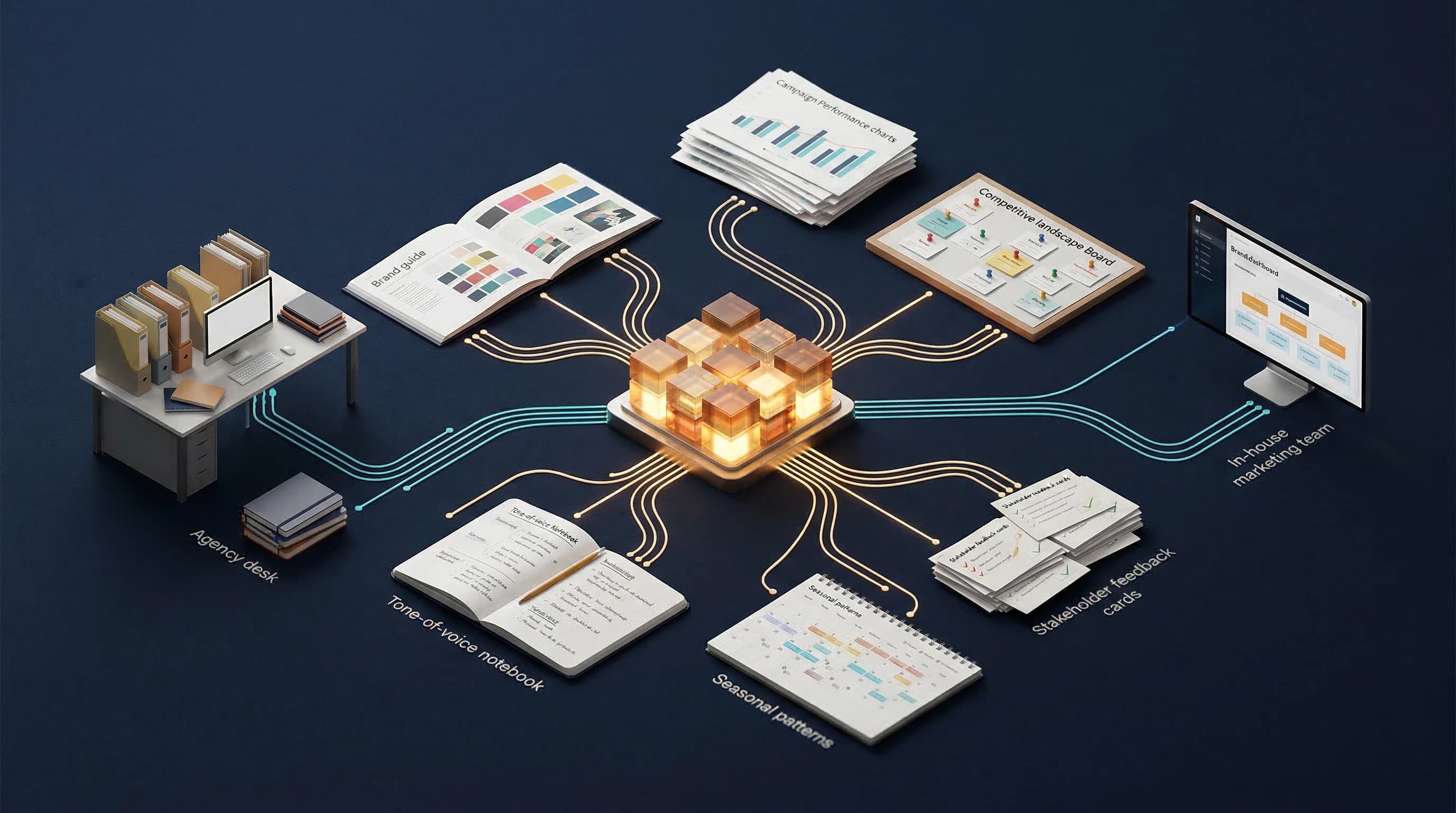
- client या brand context (long-term: positioning, voice, competitive landscape, seasonal patterns)
- operational knowledge (short-term: इस हफ़्ते की pacing, active experiments, recent results, open issues)
- evaluation standards ("अच्छा" कैसा दिखता है, क्या reject हुआ और क्यों, कौन से benchmarks matter करते हैं)
मैं इसे Memory Curator function कहता हूँ। वो person जो ensure करता है कि AI systems के पास हर piece of work के लिए current, accurate context है।
Long-term memory quarterly refresh होती है। Short-term memory हर cycle refresh होती है। दोनों types को structured और deliberately maintain करना ज़रूरी है। इसके बिना, आपको वो problem मिलती है जो मैं बार-बार देखता हूँ: AI जो polished output produce करता है जो business context completely miss कर देता है।
अच्छी बात ये है कि ये function experience से benefit करता है लेकिन core skill teachable है। Strategic role में develop होने वाले किसी इंसान के लिए ये सबसे accessible entry points में से एक है।
Plus: Strategic या Account Lead
इन तीन functions को किसी की ज़रूरत है जो overall direction steer करे — priorities set करे, stakeholders manage करे, वो trade-offs करे जो shape करते हैं कि team क्या काम करती है और क्यों। इसे Account Lead कहो, Marketing Director, Head of Growth, जो भी आपके org में fit हो।
Point ये है कि ऊपर के तीन functions — validation, infrastructure, memory — operating layer हैं। Strategic lead direction-setting layer है। दोनों चाहिए।
Monday Morning को ये कैसा दिखता है
चलो इसे concrete बनाते हैं।
एक mid-market skincare brand Q2 campaign launch की तैयारी कर रहा है। AI ने रात भर में initial media plan, creative brief, और measurement framework generate कर दिया।
कुछ भी live होने से पहले ये होता है:
AI Auditor media plan खोलता है और platforms के against check करता है। AI ने Meta और TikTok के बीच 60/40 split recommend किया — लेकिन Auditor को पता है कि brand का TikTok Shop integration पिछले महीने टूट गया था और अभी तक fix नहीं हुआ। AI को ये नहीं पता। Auditor कोई भी budget commit होने से पहले इसे flag करता है।
Signal Architect measurement framework देखता है। AI ने पिछली quarter के pixel setup पर based tracking propose किया। लेकिन Architect को पता है कि team दो हफ़्ते पहले server-side tracking पर migrate हो गई, और पुराने pixel events अब conversions duplicate कर रहे हैं। Attribution numbers बढ़िया दिखेंगे और पूरी तरह गलत होंगे। Architect dashboard build होने से पहले event definitions correct करता है।
Memory Curator creative brief review करता है। AI ने कुछ polished produce किया — professional tone, strong CTA, clean copy। लेकिन Curator की structured memory दिखाती है कि इस client के CEO ने पिछली quarter "sale" framing वाली हर चीज़ reject कर दी थी, और compliance team ingredient claims के लिए specific language require करती है। Curator brief creative team तक पहुँचने से पहले ये constraints add करता है।
Account Lead तीनों outputs देखता है, अब validated और corrected, और strategic call लेता है: launch date एक हफ़्ता push करो क्योंकि एक competitor ने अभी similar product announce किया है और brand को पहले differentiation angle चाहिए।
इनमें से कोई भी catch glamorous नहीं है। लेकिन सब के सब एक ऐसी team से miss हो जाते जो बस AI output trust कर लेती। मैंने इस pattern के बारे में ज़्यादातर AI Marketing Tools तेज़ लगते हैं लेकिन Team Judgment कमज़ोर करते हैं में लिखा — speed real है, लेकिन validation layer के बिना, speed बस आपको एक worse decision की तरफ़ accelerate करती है।
Context के हिसाब से Shape कैसे बदलता है
यहाँ मुझे लगता है बातचीत fixed headcount से ज़्यादा useful हो जाती है।
छोटा agency pod या startup team (3-5 लोग): एक person दो या तीनों functions hold करता है। Strategic lead memory भी curate करता है। Channel specialist AI output भी audit करता है। ये तब काम करता है जब team इतनी छोटी हो कि context naturally shared रहे।
Mid-market agency team (6-12 लोग): हर function को एक dedicated person मिलता है। यहाँ operating model compound होना शुरू होता है — Memory Curator की structured knowledge बाकी सब functions को time के साथ और effective बनाती है। जो मैंने देखा है उसमें, mid-market अभी actually सबसे interesting disruption zone है, क्योंकि इन clients को अभी जो मिलता है और AI-augmented team जो deliver कर सकती है, उसके बीच का gap सबसे बड़ा है।
Enterprise या in-house team (15-40+ लोग): हर function के पीछे एक team हो सकती है। AI Auditor function multiple channels में quality layer बन जाता है। Signal Architect function data engineering capability बन जाता है। Memory Curator function institutional knowledge practice बन जाता है।
Key point: functions non-negotiable हैं। Org-chart labels और हर function में लोगों की संख्या completely flexible है।
इसीलिए मुझे लगता है "कितने लोग?" गलत सवाल है। बेहतर सवाल है: "क्या ये तीन functions हमारी team में exist करते हैं, और कौन own करता है?"
Junior लोग कहाँ Fit होते हैं — और ये क्यों Matter करता है
मैं ये directly address करना चाहता हूँ, क्योंकि मुझे लगता है ये important है।
AI और teams के बारे में बहुत सारी बातचीत ऐसी लगती है: छोटी teams, ज़्यादा leverage, कम hires। और अगर आप career में early हैं, तो ये ऐसा लग सकता है: मेरे लिए कम opportunities।
मुझे नहीं लगता ये सही है। लेकिन मुझे ये भी नहीं लगता कि पुराना path अब काम करता है, और मैं इसके बारे में honest रहना चाहता हूँ।
पुराना apprenticeship model repetition पर काम करता था। Junior लोग manually tasks करके सीखते थे — reports run करना, campaigns set up करना, data pull करना, decks format करना — इतनी बार कि वो काम के पीछे की judgment internalize कर लेते थे।
अगर AI अब बहुत सारा first-pass production handle करता है, तो repetitions सिकुड़ जाती हैं। सवाल ये बनता है: अगर AI सारा junior work handle करता है, तो कोई senior कैसे बनेगा?
मुझे लगता है ये अभी industry की सबसे मुश्किल unsolved problems में से एक है।
मैं जहाँ पहुँचा हूँ ये रहा, और मैं इसे loosely hold करता हूँ:
2+2 Development Model
जब मैं team build करने के बारे में सोचता हूँ, तो मैं ये assume नहीं करता कि सभी roles senior external hires से fill होने चाहिए।
मुझे लगता है जो बेहतर काम करता है वो कुछ ऐसा है: 2 experienced लोग + 2 लोग deliberate depth-first development programs में।
Experienced hires judgment और context लाते हैं। Development slots current platform depth, energy, और — critically — talent grow करने में invest करने का reason लाते हैं, सिर्फ़ extract करने का नहीं।
Depth-First, Rotation-First नहीं
पुराना career model था: पहले broad जाओ, बाद में specialize करो। Channels में rotate करो, हर चीज़ का थोड़ा-थोड़ा सीखो।
मुझे लगता है AI-native model इसे invert करता है। पहले deep जाओ, फिर broaden करो।
छह महीने एक discipline में deeply focus करना, छह महीने चार areas में rotate करने से ज़्यादा durable expertise build करता है। Depth ही है जो आपको AI output validate करने देती है। Breadth बाद में rotation के through आती है।
Eval Creation as Learning
अभी मुझे सबसे powerful learning mechanisms में से एक दिखता है — लोगों से ये define करवाना कि "correct" कैसा दिखता है।
सिर्फ़ task execute मत करो। Evaluation criteria define करो:
- एक अच्छा campaign setup कैसा दिखता है?
- क्या second review trigger करना चाहिए?
- कौन सा discrepancy threshold acceptable है?
- क्या बिना human check के कभी pass नहीं होना चाहिए?
ये exercise वो deep understanding force करता है जो पहले manually काम करने से आती थी। Pre-launch checklist लिखने वाले person को discipline को इतना deeply समझना होता है कि expert judgment को एक system में encode कर सके।
उदाहरण: "conversion tracking को campaign live होने से पहले platform-reported numbers के 2% के अंदर fire करना ज़रूरी है।" ये rule लिखना simple लगता है। ये जानना कि 2% सही threshold क्यों है, 5% या 0.5% नहीं, real depth माँगता है।
ये पुरानी apprenticeship जैसा नहीं है। लेकिन मुझे लगता है ये काम कर सकता है।
Career Tracks
मैंने जो तीन functions describe किए, हर एक एक development track भी है, dead-end label नहीं:
- AI Auditor → account leadership में grow करता है, क्योंकि जो person deeply समझता है कि output को अच्छा या बुरा क्या बनाता है, वही client relationships steer कर सकता है
- Signal Architect → measurement leadership में grow करता है, क्योंकि data infrastructure knowledge सबसे valuable और rarest skill sets में से एक है
- Memory Curator → senior strategy में grow करता है, क्योंकि जो person knowledge structure करता है, वो eventually वो बन जाता है जो organization की thinking shape करता है
अगर आप career में early हैं और ये पढ़ रहे हैं, तो सवाल ये नहीं कि "क्या मेरे लिए कोई role होगा?" सवाल ये है कि "मैं किस function में depth build कर रहा हूँ?" ये वो career move है जो compound करता है।
AI Layer क्या Handle करता है
अगर human team इन functions के around organized है, तो AI layer बहुत सारा production work handle करता है — first drafts, research synthesis, reporting scaffolds, documentation, content repurposing।
लेकिन मैं high AI activity को complete operating model समझने की गलती नहीं करूँगा।
किसी को अभी भी define करना होगा कि क्या trust होता है, क्या review होता है, और quality का मतलब क्या है। यहीं मुझे लगता है बहुत सारी "AI-first" conversations अभी भी थोड़ी shallow feel करती हैं। वो generation पर रुक जाती हैं। Real leverage orchestration और evaluation में है।
Empowerment Framing
एक और बात, क्योंकि मुझे लगता है ये matter करता है कि teams actually इसे कैसे adopt करती हैं।
एक team जो AI resist करती है और एक जो embrace करती है, उनके बीच का फ़र्क़ अक्सर framing में होता है।
अगर message है "AI तुम्हारी job replace कर रहा है" या "हम efficiency के लिए automate कर रहे हैं," तो reaction resistance, anxiety, quiet disengagement होता है।
अगर message है "AI repetitive work handle करता है ताकि तुम judgment वाले parts पर focus कर सको," तो reaction usually curiosity और ownership होता है।
मैंने ये play out होते देखा है। Programmatic parallel यहाँ useful है। जब manual insertion orders गायब हुए, जो लोग adapt हुए वो programmatic strategists बने — higher-skilled, higher-paid roles। Shift uncomfortable था। Outcome growth था।
मुझे लगता है हम एक similar inflection point पर हैं। काम की shape बदलती है। काम करने वाले लोगों की value ऊपर जाती है, नीचे नहीं — अगर team इस तरह designed हो कि उन्हें develop होने दे।
मैं अभी कहाँ हूँ
मुझे अभी भी लगता है specific mix business के हिसाब से vary करेगा। कुछ teams को core function के रूप में creative editor चाहिए। कुछ को channel specialist। कुछ को दो Signal Architects चाहिए और कोई dedicated Memory Curator नहीं।
लेकिन underlying pattern जिस पर मैं बार-बार लौटता हूँ:
- functions define करो, headcount नहीं
- तीन operating functions (validation, infrastructure, memory) non-negotiable हैं
- development slots include करो, सिर्फ़ senior hires नहीं
- depth-first apprenticeship में invest करो
- AI layer को production handle करने दो ताकि human layer judgment पर focus कर सके
यही direction है जिसमें मैं move कर रहा हूँ — team design के बारे में सोचने में भी और पिछले साल अपना operating model build करने में भी।
बस इतना।
अगर आप अभी कोई team redesign कर रहे हैं, तो मैं genuinely जानना चाहूँगा कि इन functions में से कौन सा establish करना सबसे आसान है और कौन सा बार-बार टूटता है। और अगर आप career में early हैं, तो आप किस function में depth build कर रहे हैं?
शुभकामनाओं सहित, Chandler