Vietnam internet economy key facts and trends (update Oct 2019)
Vietnam's $12B internet economy is set to grow 3.5x by 2025, with e-commerce poised to become the largest sector as 61% of users now adopt mobile payments.
493 posts about AI, learning, and building products

Vietnam's $12B internet economy is set to grow 3.5x by 2025, with e-commerce poised to become the largest sector as 61% of users now adopt mobile payments.

Gaming now reaches 2.5 billion people globally and generates more revenue than music, radio, and streaming video combined—here's why advertisers can't ignore this market.

I went from pessimism to understanding US politics by ditching reactive news for deeper sources—discovering why anxious voters have valid reasons to feel left behind.

I was skeptical until I read it—Melinda Gates blends heart-wrenching stories with data to reveal powerful levers that can truly lift humanity.

Australia's competition watchdog released a 600+ page evidence-based report on digital platforms—I found their 23 specific recommendations a must-read for understanding data privacy.

This free report reveals how China shifted from copycat to innovator, leading in 5G deployment and AI—essential reading to understand the digital landscape shaping our future.

Ever wondered how a regional CEO manages 9 offices while keeping inbox zero? I share my daily rituals from 6am meditation to client coaching across APAC.

I've found two standout books this summer: one revealing how nations overcome crises, the other transforming how I think about writing itself.

While Singapore's Innovfest unbound brings 18,000 people together, I found better innovation insights watching free Davos videos at home—here's what needs to change.

Despite being Africa's largest economy with 197M people, Nigeria's internet penetration sits below 45%—presenting massive untapped potential for digital growth.

Despite 56% internet penetration and rising smartphone adoption, traditional TV and radio still dominate South Africa's media landscape—but mobile data is quietly reshaping how consumers connect.

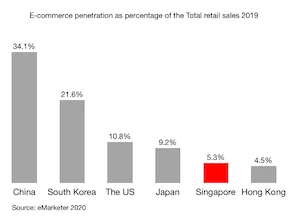
Despite 80% smartphone penetration and leading mobile payments adoption, Singapore's e-commerce lags far behind G7 countries—here's the data revealing surprising gaps in its advanced digital economy.