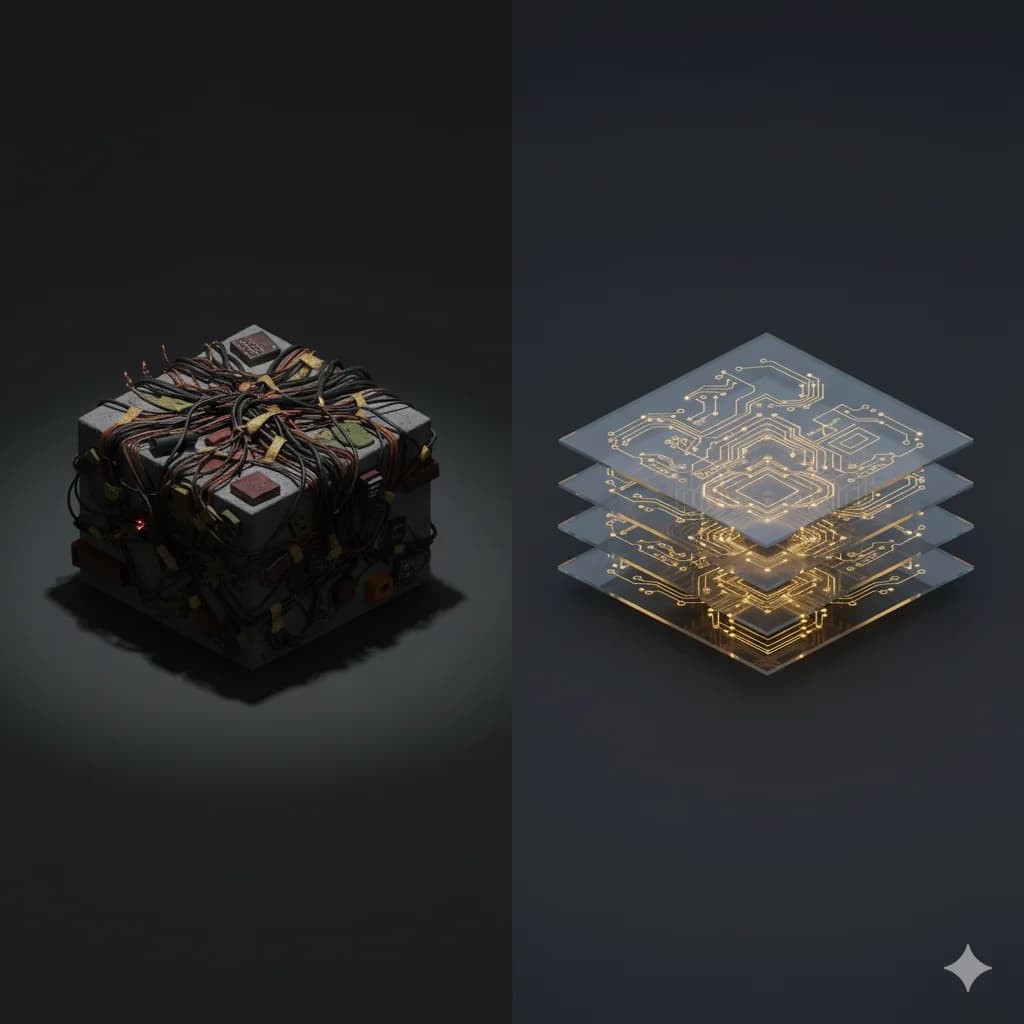
Agencies が AI に本当に必要としているのは、more content ではない
私は AI tools が agencies に content volume を売り込む場面を何度も 見ます。でも real client relationships を扱ったことがあるなら、 本当に hard なのは trust だと分かるはずです。Isolation、 permissions、context、そして one client の thinking を別の client の work に leak させないことです。
私が wrong thing を build していると気づいたのは、"10 seconds で 50 個の LinkedIn post ideas" に agency owner が excited になる場面を imagine している自分を見つけたときでした。
Content ideas が useless だという意味ではありません。そんなことはありません。
でも agencies の周りで real な時間を過ごしたことがあるなら、それが scary part ではないことは分かるはずです。
Scary part は trust です。
それは、system が accidently Client A と Client B を mix してしまわないかと不安になる account manager のことです。
それは、"competitive account でこれを safely 使えるのか?" と考える strategist のことです。
そしてそれは、どんな AI homepage もあまり答えたがらない、でもずっと more important な question を投げる agency owner のことです。
もしこの thing が one client's intelligence を another client's work に leak したらどうなるのか?
この question は、"何本の captions を generate できるか" よりはるかに重要です。
私は、AI software market の大きな部分が still agencies を misunderstand していると思っています。なぜなら actual work を misunderstand しているからです。Agencies が主に苦しんでいるのは words の shortage ではありません。Complexity です。
- multiple clients
- multiple brands
- multiple internal roles
- multiple approval layers
- "誰が何を見られるのか" の multiple versions
だから AI vendor がやってきて、"Great news, now you can make more content faster" と言うとき、私の一部はこう言いたくなります。Agency workflow の inside に座ったこと、ありますか?
STRAŦUM を build すればするほど、agencies が first に必要としているのは more content ではないと、はっきりしてきたからです。
They need better infrastructure for trust.
Agency problem は volume ではない。Risk です。
これは、real stakes のある client work を担ったことがある人なら理解しやすいと思います。
One brand だけを扱うなら、life は simpler です。Your notes are your notes。Positioning work は one lane に留まる。Mistakes は painful でも、少なくとも local です。
Agencies はそうではありません。
Agencies はこんなものを juggling しています。
- different brand voices
- different categories
- different approval chains
- different definitions of success
- 互いに compete しているかもしれない clients
つまり mistake の cost は "mediocre draft を作ってしまった" では終わりません。
Sometimes the cost is:
- wrong thing を wrong client に送ってしまう
- wrong workspace に wrong context を露出してしまう
- platform を unsafe に感じさせてしまう
- client が「他にも backstage で sloppy なことがあるのでは」と思い始める
そして、その last question を client が口にし始めた時点で、もう expensive territory に入っています。
だから私は、agency AI が output examples だけで売られていると skeptical になります。Generated content の demo は、model が content を generate できると示すだけです。Fine. でも agencies にとって more important な proof は architectural です。
見せてほしいのは、こういうことです。
- data がどこに live しているのか
- client context がどう isolate されているのか
- 誰が何に access できるのか
- approvals が built in されているのか
- one client's work が another client's work を contaminate しうるのか
Agencies が really care するのはその product story です。Launch video には less fun かもしれませんが。
Advertising background があったから、私はこれを早く obvious だと感じたのかもしれません
Advertising 出身だからか、私は "content is the bottleneck" という agencies 向けの story を最初から fully は信じていませんでした。
もちろん agencies は content を produce します。たくさん produce します。そこに real efficiency gains があるのも事実です。
でも agency work を hard にしているのは、通常、first draft の不在ではありません。
Draft の周りにある operating environment です。
Who reviewed it? Which client is this for? What context shaped this recommendation? Was this generated with the right brand constraints? Did someone accidentally reuse the wrong assumptions? Who is allowed to approve it?
In-house であっても一部は matter します。
Agency であれば、全部が every day matter します。
だから私は STRAŦUM のかなり early な段階で、少し unreasonable に感じる decision をしました。Multi-tenancy を almost immediately build し始めたんです。Basically day 2 です。振り返ると、それは disciplined だったのか slightly insane だったのか、見る人次第だと思います。
その時点で working agent はまだ一つしかありませんでした。そんな early に client isolation を build するのは premature に感じられました。
でも result としては correct でした。
一度 agencies を clearly 見ると、彼らは "SMEs with more users" ではないと分かるからです。Fundamentally different operating model があるんです。
org_id では足りないと realize した日
私の first version の multi-tenancy は、classic optimistic-builder version でした。
org_id を everything に足す。
Policies を書く。
Filters を trust する。
それで done にする。
これは surprisingly 多くの software で work します。同時に "isolation を solve した" という comforting illusion も与えてくれます。でも実際に solve しているのは basic scoping だけです。
STRAŦUM では enough ではありませんでした。
Because agencies didn't just have one organizational layer. Organization の下に clients がいて、それぞれに独自の context、outputs、history、safety boundaries が必要だったからです。
つまり私は二つの different data models を one mental shortcut に押し込もうとしていました。
- SME: one org, one business context
- Agency: one org, multiple client contexts under it
Application logic でしばらく fake することはできます。People do. でも見れば見るほど、正しく見えるだけで structurally too trusting な system を build していると分かってきました。
それは bad combination です。
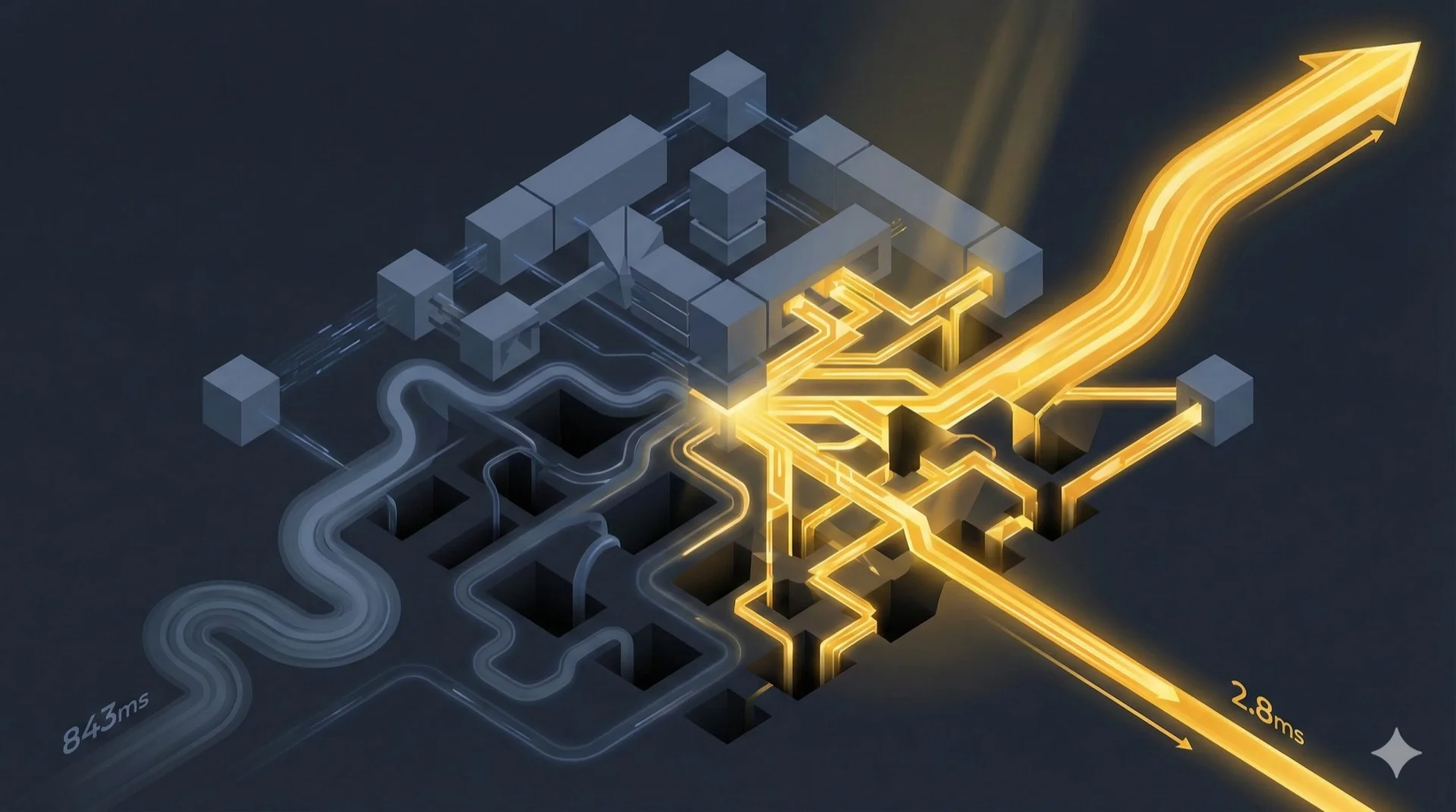
ちゃんと right にするには rebuild が必要でした。Separate routing。Separate schema logic。Database level で more guardrails。More explicit context handling。Everywhere で "just remember to filter correctly" に頼らないこと。
Annoying? Yes.
Worth it? Also yes.
正直に言うと — rebuild 後でさえ、数週間後にまた別の gap を見つけました。特定の clients に assign された users が、別の query path を通じて他の clients のデータを見れてしまう状態でした。Architecture は良くなっていたけれど、complete ではなかった。今でも完全に airtight だとは confident に言い切れません。
Because agency trust should not rely on a developer remembering every if/else branch at 11:30 PM.
AI は trust problem を better にするのではなく、worse にする
これが、category が still understating している部分だと思います。
AI は agency work の上に乗る another UI layer ではありません。Risk profile を変えます。Context を store するだけでなく synthesize できる system になるからです。
That is powerful.
そして、だからこそ bad boundaries は unacceptable です。
AI system が wrong context に access できるなら、それは raw data を expose するだけではありません。Remix してしまいます。Client A の insights を quietly Client B の strategy に混ぜ込んでしまうこともある。Isolation mistakes を polished-looking outputs に変えてしまうこともある。Honestly、それは visible bug より worse です。気づきにくいからです。
だから agencies の environment で people が general-purpose AI tools を casually multiple accounts にまたがって使い始めると、私は nervous になります。
しばらくは get away できるかもしれません。
でもある日、誰かが language に familiar さを感じる。
あるいは、本来その workspace にあるべきではない competitor framework が recommendation に混ざる。
あるいは client が何かを見て、「your systems are compartmentalized at all?」と疑い始める。
その doubt が relationship に入った瞬間、あなたが repairing しているのは content workflow ではありません。Belief です。
A few extra blog captions でそれを repair するのは、なかなか厳しいと思います。
では agencies に actually 必要なのは何か
AI theater を剥がしてしまえば、agencies が urgently 必要としているのは、もっと unglamorous な things だと私は思います。
1. Client-safe context isolation
ただの account switching ではない。
ただの folders でもない。
ただの "we take privacy seriously" copy でもない。
Real separation — database level での分離であって、application level ではありません。Separate schemas か separate routing のことです。client_id column がある shared table で、すべての query が正しく filter されることを祈る、というのとは違います。
2. Role-aware permissions
Different people need different levels of access:
- strategist
- account manager
- approver
- client stakeholder
- admin
これがないと、tool は demo では "collaborative" に見えても、reality では chaotic になります。
3. Approval workflows
Agencies は、ideas をそのまま world に投げる solo creators ではありません。Drafts があり、comments があり、reviews があり、approvals があり、revisions があり、politics があります。So much politics :P
AI system がそこを尊重しないなら、それは agency work を尊重していないということです。
4. Right boundary の内側での shared memory
これは本当に重要です。
Given client context の内側では、system は absolutely time とともに smarter になるべきです。そこにこそ AI の usefulness があります。でもその compounding は correct fence の中で起きるべきで、all work indiscriminately ではいけません。
5. Execution の前に strategic intelligence
Again、anti-content ではありません。ただ content-first を entire story にすることに反対なだけです。
Agencies に必要なのは、こうしたことを understanding する助けです。
- client が何を言うべきか
- client が何を emphasize すべきか
- competitive environment で何が起きているか
- strategy のどこが weak か
- recommendation に対して team をどう align するか
それは another pile of generic deliverables を produce することより、ずっと more valuable です。
だから STRAŦUM は今の形になった
STRAŦUM の many product decisions は、この lens で見るともっと sense を持ちます。
Why progressive learning?
Agencies が already context を repeat しすぎているからです。
Why multi-tenant routing?
Client context は polite suggestion ではいけないからです。
Why approvals and collaboration?
Agency work は one person chatting with a bot in a vacuum ではないからです。
Why intelligence over execution?
Agencies は more noise を produce するために pay されているわけではないからです。Confidence、direction、better decisions を clients に作るために pay されているんです。
私が build したいのは、そういう kind of AI product です。
"look how much faster you can churn" と言うものではない。
"look how much safer and sharper your strategic work can become" と言うものです。
私がこれをすべて right にできたとは言いません。ただ、これらの problems が specific な architectural decisions を force し、それはほとんどの general-purpose AI tools がまだ make する必要がなかった — あるいは make することを choose しなかった — 決定だったということです。
もっと多くの AI vendors に admit してほしいこと
Agency buyers は often 二つの products を同時に evaluate しています。
- demo の中の product
- その product が future に create しかねない problem
だから glossy AI output だけでは convincing ではありません。
Buyer は "Can this help us?" だけを聞いているのではありません。
"Can this hurt us later?" も聞いています。
そして、その second question に well に答えられないなら、beautiful generated output は mostly decoration です。
私は agencies に more decoration が必要だとは思いません。
Clients の前で trust できる systems が必要なんです。
それはずっと harder な product です。
でも、ずっと more honest でもあると私は思います。
私からは以上です。
特に agency folks の声を聞きたいです。あなたが見てきた AI tooling は、本当に risk を reduce しましたか? それとも real operational headaches はそのままに、team が produce する content volume だけを増やしたのでしょうか。
Cheers, Chandler