·일본
일본 구독형 주문형 비디오(SVOD) 시장 8가지 핵심 사실
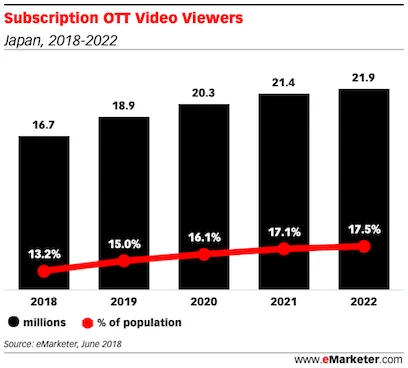
일본의 SVOD 시장은 13% 침투율로 아시아 동종 시장에 뒤처져 있으며, Amazon Prime이 선두를 달리고 있지만 VOD 앱 사용자의 80%는 구독을 하지 않습니다.
이 카테고리에 게시물 99개
일본의 SVOD 시장은 13% 침투율로 아시아 동종 시장에 뒤처져 있으며, Amazon Prime이 선두를 달리고 있지만 VOD 앱 사용자의 80%는 구독을 하지 않습니다.
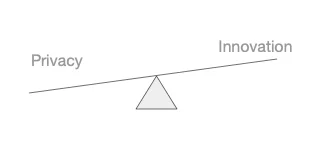
데이터는 이제 한때 석유만큼이나 가치 있는 것으로 여겨지지만, 대부분의 사람들은 개인정보가 실제로 무엇인지, 누가 소유하는지, 어떤 권리가 있는지 이해하지 못합니다.
한국이 전자상거래 침투율에서 세계 3위를 차지하고 있으며, 매출의 2/3가 모바일에서 발생하고 모두 로컬 플레이어가 주도하고 있다는 최신 데이터를 정리했습니다.
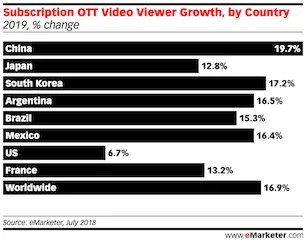
중국의 OTT 시장은 플랫폼당 8천만 명 이상의 유료 구독자가 연간 26~35달러만 지출하며 폭발적으로 성장하고 있습니다. 이는 Netflix 가격의 극히 일부에 불과하지만 전통 TV를 추월할 태세입니다.
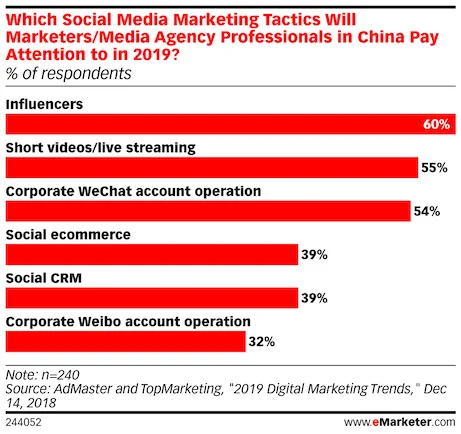
2018년 중국 인플루언서 시장은 171억 6천만 달러 규모에 달했으며, 소비자들은 서양 시장보다 KOL 추천에 2배 더 수용적입니다. 이 시장을 독특하게 만드는 요소를 소개합니다.
중국의 모바일 게임 시장은 다음 4개 시장을 합친 것보다 2배 많은 플레이어와 120억 달러 이상 규모의 시장에서 45%를 장악한 Tencent로 경쟁을 압도합니다.
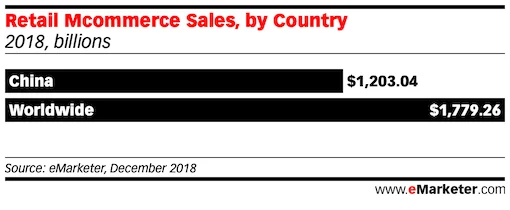
중국의 디지털 생태계는 나머지 세계를 압도합니다. 8억 5,500만 인터넷 사용자, 모든 국가를 합친 것을 초과하는 전자상거래 매출, 미국보다 4배 많은 공유 교통 사용자를 보유하고 있습니다.
이 데이터 기반 마케팅 책은 고객 충성도, 매스 마케팅, 브랜드 성장에 대한 핵심적인 가정에 도전합니다—알고 있다고 생각했던 모든 것에 의문을 제기할 준비를 하세요.
2017년 아시아태평양 전역의 데이터를 분석하여 디지털 성숙도에서 어떤 시장이 선두인지 밝혔습니다—스포일러: 인구 규모가 디지털 발전도와 같지는 않습니다.
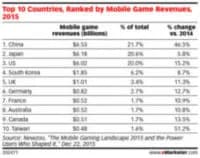
일본 모바일 게임 시장은 전 세계 2위로, 90%의 일일 플레이어 참여율과 월 $26 이상의 지출을 기록하고 있습니다—중국이나 미국보다 게이머 수가 적음에도 불구하고 말입니다.
한국의 모바일 게임 시장은 세계 4위이며 2,000만 명의 게이머가 월 평균 12.8달러를 지출합니다. 이 기술 강국이 모바일 게임 전략에 필수적인 이유를 알아봅니다.
인도네시아는 인터넷 사용자 수 기준 세계 6위이지만, 온라인 인구는 42%에 불과하고 4G 보급률은 3%입니다. 젊은 사용자들로 구성된 이 모바일 퍼스트 시장이 왜 다른 시장과 완전히 다른지 알아봅니다.