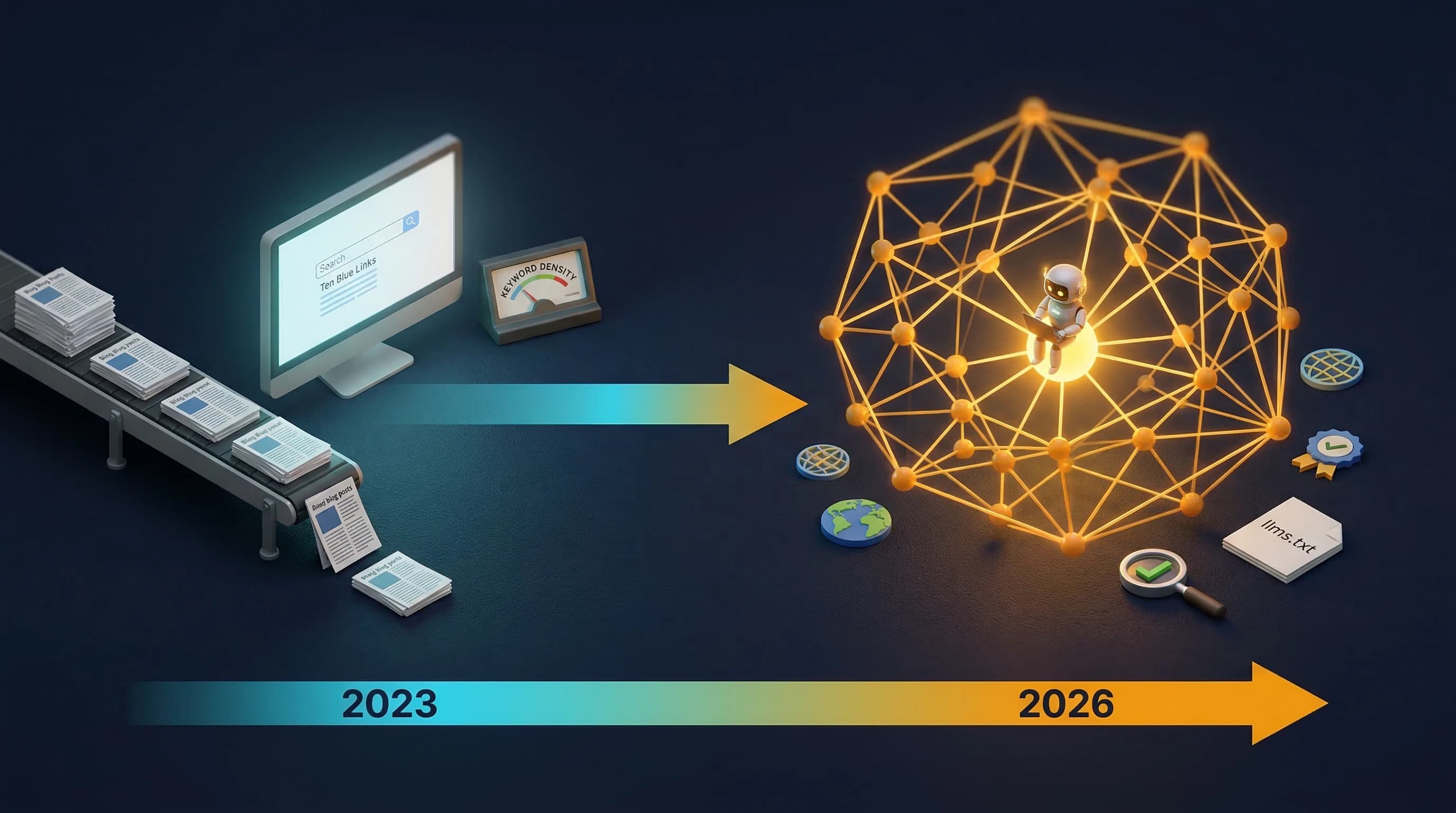
AI 拉高咗地板。Depth 先係你贏嘅方法。
話 AI 會取代初級工作嘅 narrative 根本搞錯重點。一個做 activation 嘅 junior 唔係做雜務 — 佢係喺度 configure DV360 targeting、QA tracking pixels、manage bid strategies。真正嘅問題係:當 AI 拉高咗所有人嘅地板,competitive advantage 點嚟?Depth。
過去幾個月我一直喺度 build 一個 AI-Native Media Operations course。七個 modules。幾十個 slides。而我不斷 rewrite 嗰一個 slide — 我仲覺得未搞好嗰個 — 講嘅係當 operating model shift 到 75-80% AI 嘅時候,啱啱入行嘅人會點。
我不斷寫聽落好有信心嘅版本。跟住 delete,因為我其實冇咁有信心。我有方向,但冇答案。我覺得呢個對話嘅誠實版本比打磨過嘅版本更有用。
所以呢啲就係我一直喺度諗嘅嘢。
Narrative 錯咗
你一定聽過:「AI 取代初級工作。」好整齊嘅 story。但係錯嘅 — 或者至少,佢誤解咗初級人員實際做緊乜嘢。
行一轉現代 media agency 嘅各個 discipline:
- Strategy:Pull competitive analysis、synthesize research briefs、喺 data 入面搵 patterns — 啲 seniors 成日喺 meetings 入面 miss 咗嘅嘢
- Planning:Build media plans、run budget scenarios、construct audience segments — 通常比 review 佢哋嘅嗰個 senior planner 更貼近 actual data
- Activation:Configure DV360 targeting、QA tracking pixels、跨平台 manage bid strategies — genuinely technical、high-stakes 嘅工作,misconfigure 咗個 audience 可以幾個鐘就 burn 晒 budget
- Ad Ops:Traffic 廣告、debug tracking discrepancies、喺幾十個平台保持 measurement integrity
- Research:Evaluate survey methodology、catch sample bias、code qualitative responses — 需要真正 skepticism 嘅細心分析工作
- Reporting:Build dashboards、identify anomalies、知道 data 唔啱即使啲 charts 睇落冇問題
呢啲唔係「repetitive tasks」。係需要 judgment、platform knowledge 同 client context 嘅 substantive contributions。Configure DV360 campaign 嗰個人唔係做雜務 — 佢做緊幾十個 technical decisions,直接影響 media plan 實際 deliver 唔 deliver 到。
冇人講嘅 Senior Validation Gap
有件事我覺得唔夠人 discuss:你嘅 VP 已經好多年冇日日入 DV360。你嘅 planning director 已經唔會手動 build audience segments。做 strategic decisions 嗰啲人已經 delegate 咗 platform-level execution 咁耐,即使佢哋想 validate 嗰個 layer 嘅 AI output 都做唔到。
當 AI generate 一個 campaign setup,邊個 validate 佢係咪啱?當佢 build 一個 audience segment,邊個 check data sources 係咪正確?當佢 produce 一個 measurement framework,邊個知道 tracking architecture 實際上 support 唔 support 到?
通常係最貼近平台嗰啲人。就係嗰啲被人話佢哋做嘅嘢「routine」嘅人。
我覺得呢個就係令「AI 取代 junior 工作」narrative 危險嘅 gap。AI handle 嗰 75-80% 仍然需要 validation。嗰個 validation 需要 depth — platform expertise、tracking architecture knowledge、data source familiarity。而喺好多 organization 入面,呢啲 depth 係喺我哋輕描淡寫話會被取代嗰啲人手上。
The Parade Problem
我不斷返嚟呢個 analogy。當所有人都有 AI,broad capability 就變成巡遊 — 遠睇 impressive,近睇一模一樣。每間 agency 都可以 scale 出 media plans、audience insights、competitive reports、creative briefs。Tools 一樣。Prompts converge。Output normalize。
咁 advantage 喺邊度嚟?
Depth。喺特定 disciplines 入面 go deeper than AI + 競爭對手。唔係更闊 — 係更深。
如果你喺一個 value「T-shaped」generalists 嘅行業入面大,呢個會覺得 counterintuitive。但我覺得個 shape 喺度變。當 AI 免費提供 T 嗰條橫線,唯一嘅 differentiator 係條直線去到幾深。
Depth-First Career Development
舊 model 係:start broad,之後先 specialize。你會 rotate through departments,get exposure planning、buying、reporting,然後 eventually 搵到自己嘅 lane。
我覺得而家更好嘅 model 係反過嚟:先 go deep,之後先 broaden。
AI 已經 provide breadth。任何 junior 都可以用 AI draft media plan、build competitive analysis、generate research summary。呢個就係 floor — 所有人都被拉高咗。Scarce 嘅係嗰個對 activation 或 measurement 或 creative evaluation 識得比 AI 仲好嘅人。嗰個睇到 AI output 就即刻知道有乜嘢唔啱嘅人。
呢個 evaluation skill — 用 genuine expertise 去 assess AI 工作嘅能力 — 需要 depth。而 depth 需要喺一個 discipline 入面 focused time,唔係頭兩年喺五個 departments rotate。
"Going Deeper" 實際上係點嘅
呢度我想 specific 啲,因為 generic career advice 冇用。
Activation:做 platform-AI bridge。對平台嘅 capabilities 同 limitations 熟到可以 spot 到 AI 嘅 configurations 喺現實中行唔通 — audience 太 narrow deliver 唔到、bid strategy 唔 suit 個 objective、placement list 包含咗 client explicitly exclude 嘅 inventory。
Ad Ops:由 tag implementation shift 去 tracking architecture。唔好淨係 place pixels — design AI depend on 嘅 measurement infrastructure。了解 consent frameworks、server-side tagging、data clean rooms。識得 architect measurement systems 嘅人唔係被 AI displace。佢哋變得更加重要。
Planning:學 stress-test,唔好淨係 build。而家任何人都識 build plan。Value 係知道 math work 但 strategy 唔 work — reach curve 睇落 efficient 但 frequency 會 annoy audience、channel mix 喺紙上 optimized 但 ignore 咗 brand 實際喺每個 environment 點出現。
Research:將 skepticism 變成核心技能。AI 可以比任何人更快 synthesize research。但佢一樣可以好有信心咁 present poorly designed survey 嘅 findings、混淆 correlation 同 causation、miss sample bias。識得 spot methodology flaws 嘅 researcher 比以前更加 valuable。
Creative:Build AI 冇嘅 aesthetic judgment。AI 可以 generate variants。佢講唔到點解呢個 particular variant 對呢個 particular brand 喺呢個 particular context work。呢個 judgment — informed by taste、brand knowledge 同 cultural awareness — 可以 develop 但唔可以 automate。
Reporting:做 data integrity layer。AI build 到靚 dashboards。但 dashboards 可以靚同時係錯嘅。知道 attribution model 幾時 misleading、data source 幾時靜靜雞變咗、numbers 睇落啱但講緊相反嘅 story 嘅人 — 呢個人係 essential 嘅。
冇人講嘅 Eval Layer
AI development 入面有個 concept 我覺得直接 map 到呢度:evals。喺 AI 入面,eval 係 ground truth — define「correct」係點嘅 criteria。冇 evals,你分唔到 AI output 係好定壞。你只係喺度信部機。
喺 media operations 入面,evals 已經存在。只不過唔係叫呢個名。
你嘅 pre-launch checklist 係一個 eval。佢 define correct campaign setup 係點嘅。你嘅 KPI ladder 係一個 eval。佢 define good performance 嘅意思。你嘅 brand guide 係一個 eval。佢 define compliant creative 係點嘅。你嘅 tracking accuracy standard 係一個 eval。佢 define reliable measurement 嘅意思。
Build 同 maintain 呢啲嘅人 — 將 expert judgment encode 入 operational criteria 嘅人 — 佢哋做緊 AI fundamentally 自己做唔到嘅嘢。AI 可以 generate campaign setup。但佢 define 唔到對呢個 client 喺呢個 market 呢啲 constraints 之下 correct campaign setup 係點嘅。呢個需要 depth。
而呢度有樣嘢我覺得 underappreciated:build evals 係最 powerful 嘅 learning exercise 之一。當你叫一個人 define 佢嘅 discipline 入面「correct」係點 — 寫 pre-launch checklist、specify acceptable discrepancy threshold、build creative compliance rubric — 佢必須對個工作理解得夠深先可以 encode judgment。呢個唔係 admin 工作。呢個係 accelerated depth development。
所以當我講 depth-first career development,eval creation 係佢嘅 concrete expression。一個人可以 evaluate AI output 同時可以 define evaluate 嘅 criteria — 佢嘅 skillset 會隨時間 compound。Criteria 越嚟越 sharp。AI 越嚟越好。而佢同淨係用 AI 嗰啲人之間嘅 expertise gap 越嚟越闊。
畀入緊行嘅人
我想喺度講真話,因為我覺得入緊行嘅人值得聽到真話多過安慰。
係,entry-level roles 喺度變。Entry point 已經唔係「用人手做 AI 做到嘅嘢」。係「develop 到夠深去 evaluate AI 做嘅嘢啱唔啱。」
聽落好似 higher bar,某程度上係。但我覺得 evaluation skill — 睇 AI output 知道乜嘢啱乜嘢唔啱同埋講得出點解 — 發展得比人哋以為快。你唔係由零開始。你有 AI 做 learning accelerator。
但 catch 係你仲係需要 hands-on reps 配合 evaluation。你需要自己 build campaigns 先知 bad 係點。需要自己手動 pull data 先明白 dashboard 收埋咗乜嘢。AI accelerate learning,但佢唔完全 replace doing。暫時未。
揀一個 discipline。Go deep。學 frameworks。會 thrive 嘅人係喺特定範疇 develop genuine expertise 嗰啲 — 唔係做 generalist prompt engineers 嗰啲。
The Apprenticeship Problem
I have to admit — 呢個係我未 solve 嘅部分。
Agency 入面嘅傳統 apprenticeship model work 係因為 junior 嘅人透過做嘢嚟學。Planning assistant build plans 同時學 planning。Activation coordinator set up campaigns 同時學 activation。重複就係教育。
AI compress 咗呢啲 workflows。而 compress workflows 嘅同時,亦 compress 咗學習機制。如果 AI build media plan 而 junior review,佢學 planning 嘅方式一唔一樣?我唔肯定。
我有方向但冇完整答案。Depth-first development。Execution 同時 evaluation。用 AI 做 teaching tool,唔好淨係做 production tool — 叫 juniors 用 AI build 嘢然後 critique AI produce 嘅嘢,等佢哋同時學 skill 同 judgment。
但我唔肯定呢個夠唔夠。Apprenticeship problem 可能係 AI transition 入面最難嘅 organizational challenge — 難過 technology、難過 business model。如果有人完全 solve 到,佢 solve 咗嘅嘢會大過任何一間 agency 嘅 operating model。
Where This Leaves Us
我唔會用整齊嘅 takeaway 結尾,因為誠實嘅版本冇呢回事。
呢度係我覺得真嘅嘢:AI 唔係取代你。Narrative 比想像中 nuanced。但你點 develop、prioritize 乜嘢 skills、點 position 你嘅 expertise — 呢啲需要 evolve。Breadth 而家係免費嘅。Depth 先係 differentiator。
如果你喺 career 初期:揀一個 discipline、go deep、develop 到識得 evaluate AI 嘅工作。呢個 combination — depth plus evaluation — 就係令你 irreplaceable 嘅嘢。
如果你帶緊 teams:最貼近你平台同 data 嘅人可能比你以為嘅對你嘅 AI strategy 更加重要。確保 design 你 organization operating model 嘅人明白呢一點。
而如果你喺度 build 一個關於呢一切嘅 course 仲不斷 rewrite 嗰一個 slide — well,至少而家有篇 blog post 可以 point 去。即使呢篇都冇晒所有答案。
就係咁。我好想聽到其他人點諗 — 特別係 media career 頭幾年嘅人。同意?唔同意?我 miss 咗乜嘢?
Cheers, Chandler