Tipping in America: What I Wish Someone Had Told Me
Unlike most countries, U.S. service workers depend on tips for their livelihood—learn the essential tipping rates across restaurants, hotels, and services to navigate this uniquely American custom with confidence.
I still remember the first time I ate at a sit-down restaurant in the US. I had just moved from Singapore, where tipping basically does not exist (everything is rolled into the price or covered by a service charge). I paid the bill, left nothing extra, and walked out feeling perfectly normal. My American friend caught up with me in the parking lot: "Dude, you need to go back and leave a tip." I was genuinely confused. Like, I already paid the price on the menu — why would I pay more? :P
That was my introduction to American tipping culture, and I have to admit, it took me a while to stop mentally converting every tip into Singapore dollars and wincing.
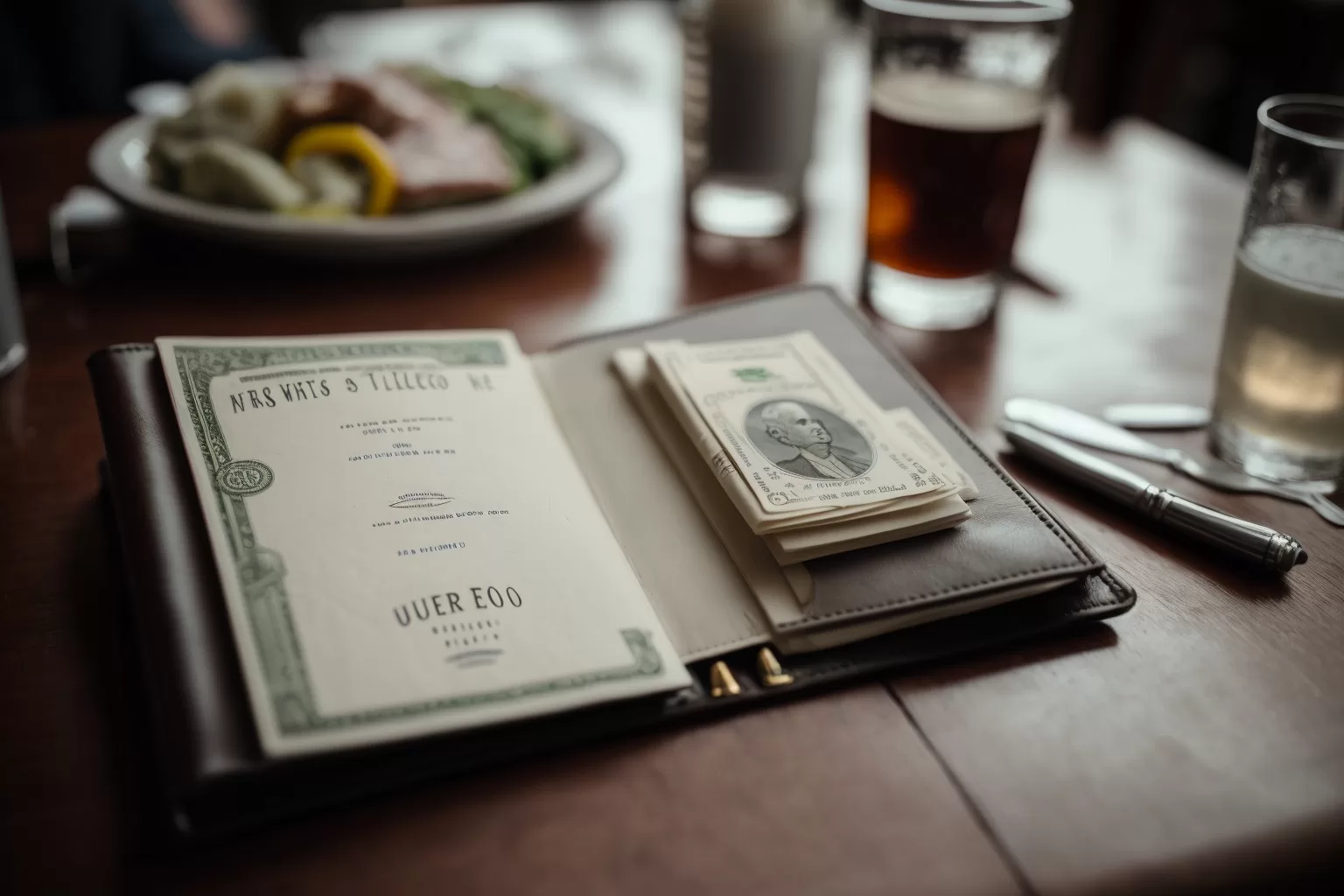
Now, I know some of you might be thinking: "Why should we tip? Why isn't it just built into the price?" I think that's a fair question, and honestly, many Americans debate this too. But the reality is that servers, bartenders, and many service workers here depend on tips for a significant portion of their income. The system is what it is, and until it changes, we should learn to tip appropriately. (Trust me, the guilt of that first no-tip restaurant visit still haunts me.)
Here is what I have learned over the years — mostly through trial, error, and the occasional awkward moment.
Restaurants and Bars
This is the big one, and the one that tripped me up the most (pun intended).
- Standard tip: 15-20% of the pre-tax bill for servers. For bartenders, $1-2 per drink or 15-20% of your tab.
- One thing that caught me off guard: some restaurants, especially high-end ones or when you are dining with a large group, include an automatic service charge. Always check the bill before adding a tip on top of a tip. I have done this. It was an expensive lesson :D
Fast Food and Takeout
Good news for your wallet — tipping is not expected at fast food places. But if someone goes above and beyond (like patiently helping you navigate a confusing menu when your English is still warming up), a small cash tip or rounding up is a nice gesture.
For takeout orders from sit-down restaurants, tipping is optional but appreciated. I usually leave a couple of dollars, especially if the order was complicated.
Coffee Shops and Cafes
- Standard tip: $1 per drink or 10-20% of the total.
- Look for the tip jar near the register. When I first saw these, I thought they were donation boxes. They are not. (Well, in a way they are — donating to the barista's rent fund.)
Delivery Drivers
This one has gotten more complicated with apps like DoorDash and Uber Eats, but the general rule is:
- Standard tip: 10-20% of the bill, with a minimum of $3-5 per delivery.
- I try to tip more during bad weather or if the delivery involves stairs, heavy items, or finding my apartment in a confusing complex. From my experience, a little extra goes a long way and the drivers genuinely appreciate it.
Hair and Beauty Services
- Standard tip: 15-20% of the total service cost.
- If multiple people help you (like a shampoo assistant and a stylist), consider tipping each person separately. I learned this the hard way when a hairstylist friend explained the etiquette to me. Before that, I had been tipping only the person at the register. T.T
Hotels and Accommodations
Hotel tipping was probably the most alien concept to me, coming from Asia where hotel service is impeccable and tips are not expected.
- Bellhops: $1-2 per bag
- Housekeeping: $2-5 per night (leave it in a clearly marked envelope or on the pillow with a note — otherwise the housekeeper might not realize it is for them)
- Concierge: $5-20 for exceptional help, like scoring hard-to-get restaurant reservations
Taxis and Rideshare
- Standard tip: 10-20% of the fare, with a minimum of $1-2 for short rides.
- Uber and Lyft used to be "no tip required" — that was actually one of their original selling points. But that has changed, and now both apps prompt you to tip after your ride. I generally tip, especially for longer rides or when the driver is friendly and helpful.
My General Philosophy
After a few years here, I have developed a simple rule: when in doubt, tip. It is better to over-tip slightly than to under-tip and have that nagging feeling afterward. And honestly, as someone who worked service jobs briefly during college back in Vietnam, I know how much a small gesture of appreciation can mean.
The tipping system in America is imperfect — I think most people, including Americans, would agree with that. But until it changes, it is part of living here, and getting comfortable with it makes everyday interactions a lot smoother.
What was your most confusing tipping experience? I would love to hear your stories — I bet some of you have even better (worse?) first-time tipping fails than mine.
Cheers,
Chandler