The Expat Family's Guide to US National Parks (2026)
After visiting 26 national parks as an expat family, here's our honest guide — the 8 parks we'd revisit in a heartbeat, the ones that disappointed us, 4 road trip routes, and everything international visitors need to know in 2026.
Our family has now visited 26 national parks across the US. Honestly? Not all of them were worth the trip.
We moved to the US from Asia, and national parks quickly became our thing — the family activity that everyone actually enjoyed (a rare achievement with a teenager :P). Our daughter has grown up exploring these parks, from her first hike at Yosemite at age 8 to photographing snow-dusted arches in Utah as a teen. Along the way, we figured out which parks are truly special, which ones are overhyped, and how to plan these trips without blowing the budget.
This is the guide I wish we'd had before our first park visit. It covers the parks we loved, the ones that let us down, practical costs for international visitors, and four road trip routes we've actually driven.
Planning, Costs, and the 2026 International Visitor Fee
The America the Beautiful Pass
If you're planning to visit even two national parks, the America the Beautiful Pass is a no-brainer. At $80 for US residents, it covers vehicle entry to all 400+ National Park Service sites for a year. It pays for itself at the second park.
The New Non-Resident Surcharge (2026)
This is the big one. Starting January 2026, non-US residents aged 16 and older must pay an additional $100 per person at 11 high-demand parks — on top of the regular entrance fee. The affected parks include Zion, Yellowstone, Yosemite, Grand Canyon, Arches, and several others.
For a family of four with two international adults, that's an extra $200 just to get in. I know — it stings.
| Pass Type | Price | Notes |
|---|---|---|
| Private vehicle entry | $35 | Per park, 7 days |
| America the Beautiful (US residents) | $80/year | Covers all NPS sites |
| Non-Resident Annual Pass | $250/year | All NPS sites, no surcharge |
| Non-Resident Surcharge | $100/person | 11 parks, per visit |
My tip for expat families: If you have a green card or US visa, bring proof of residency. The surcharge applies to foreign nationals — permanent residents and visa holders should be fine. And if you're visiting more than two of the affected parks, the Non-Resident Annual Pass at $250 starts making financial sense.
When to Visit
| Season | Crowds | Weather | Best For |
|---|---|---|---|
| Spring (Mar-May) | Moderate | 60-80°F, wildflowers | Waterfalls at peak (Yosemite), desert parks comfortable |
| Summer (Jun-Aug) | Heaviest | 100°F+ in desert parks | PNW parks, high-altitude parks only |
| Fall (Sep-Nov) | Moderate, drops after Labor Day | 60-80°F, fall colors | Best overall — most trails open, manageable crowds |
| Winter (Dec-Feb) | Lightest | Variable, snow at elevation | Utah red rocks in snow, solitude, photography |
For families with school-age kids: Every school break works — you just need to match the season to the right parks. Spring break is perfect for California parks (Yosemite waterfalls are at their peak). Summer is ideal for the Pacific Northwest and high-altitude parks where it's too cold the rest of the year. Fall break (late September/October) is the sweet spot for Utah and the southwest — mild temps, fewer crowds. Winter and Thanksgiving breaks work great for Death Valley, Saguaro, and other desert or deep south parks where summer heat makes them unbearable. We've done them all and managed fine — just expect longer shuttle lines at popular parks during any holiday week.
Budget Tips
- Camping vs hotels: Towns near major parks (Springdale for Zion, West Yellowstone for Yellowstone, Moab for Arches) offer solid 3-star hotels. We prefer hotels with a pool for after-hike recovery :P
- Pack snacks: Park stores are limited and expensive. We always bring plenty of snacks, rice balls, and other food that doesn't need heating — there's no hot water or microwaves on the trails
- Gear rental: For specialized hikes like The Narrows at Zion, rent gear from outfitters in town rather than buying
- Fill up before you enter: Always top off your tank before heading into a national park. Gas stations near park entrances are sparse and overpriced. This is one area where gas vehicles have a clear advantage over EVs — charging stations near national parks are still rare, and the last thing you want is range anxiety on a remote desert highway
Our Top 8 National Parks for Families
After 26 parks, these are the eight we'd go back to without hesitation. They're ranked by how much our family enjoyed the overall experience — scenery, trails, logistics, and that hard-to-define feeling of "was it worth the trip?"
| Rank | Park | State | Best Season | Min Days | Kid-Friendly | Why It Made the List |
|---|---|---|---|---|---|---|
| 1 | Yosemite | CA | Spring/Fall | 2 | Ages 3+ | Iconic granite, waterfalls, valley magic |
| 2 | Zion | UT | Fall | 1-2 | Ages 3+ | Red rock canyons, paved family trails |
| 3 | Yellowstone | WY | Fall | 2-3 | Ages 3+ | Geysers, wildlife, truly unique |
| 4 | Bryce Canyon | UT | Fall/Winter | 1 | Ages 4+ | Hoodoos, otherworldly, manageable size |
| 5 | Grand Canyon | AZ | Spring/Fall | 1-2 | Ages 5+ | Awe-inspiring, South Rim family-friendly |
| 6 | North Cascades | WA | Summer | 1 | Ages 5+ | Dramatic alpine scenery, uncrowded |
| 7 | Death Valley | CA | Winter/Spring | 1-2 | Ages 5+ | Otherworldly desert, surprising beauty |
| 8 | Arches | UT | Fall/Winter | 1 | Ages 5+ | Iconic formations, short hikes |
1. Yosemite — Where It All Started
Yosemite was our first national park in the US, and nothing quite prepares you for seeing Half Dome in person. We booked just two weeks before our spring break trip and still managed to stay in the valley — which I'd recommend for families because you can start trails right from outside your room.
Our daughter tackled the Glacier Point trail as a novice hiker. It took about five hours with plenty of rests, but she made it. The western food at the lodge was a huge disappointment though — we survived on instant noodles we'd packed and discovered two public microwaves (one near reception, one hidden in the gift shop — we only found the second one on our last day).
The waterfalls in spring are unreal. If you time it right, Yosemite is the most beautiful place we've seen in the US. Read our full Yosemite guide →
2. Zion — The Most Family-Friendly Park
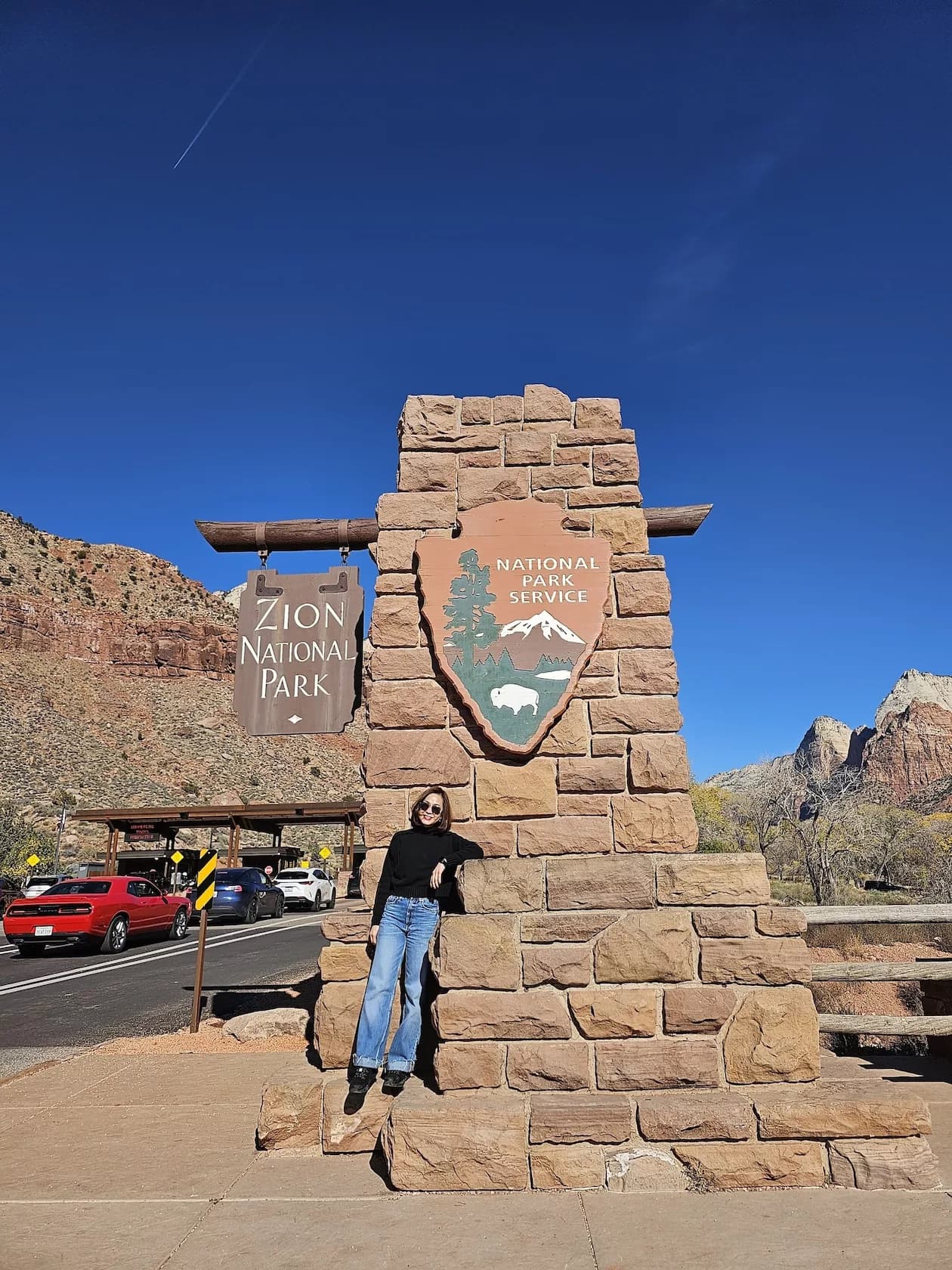
Zion's red rock canyons are genuinely breathtaking, and the trails are some of the most accessible for families we've found anywhere. The Riverside Walk is flat, paved, and gorgeous — even our daughter loved it. It ends at the gateway to The Narrows, so you get a taste of the slot canyon without committing to the full hike.
We visited during Thanksgiving week 2023 and spent two days covering the highlights. The shuttle system means no stressful parking, and the town of Springdale is walkable with good restaurants and gear shops. One tip: catch the first shuttle of the day and hit the popular trails early. Read our full Zion guide →
3. Yellowstone — Nothing Else Like It
There's genuinely nothing else like Yellowstone on Earth. The geysers, the colorful hot springs, the wildlife — our daughter was particularly excited about spotting bison, and we saw them up close in Lamar Valley as they wandered right beside the road.
We flew into Salt Lake City and drove to West Yellowstone, which worked perfectly as a base. The Grand Canyon of the Yellowstone revealed vistas that were nothing short of a painter's canvas. One practical note: the Grand Prismatic Spring walk gets very windy and cold, so bring a windbreaker even in fall. Read our full Yellowstone guide →
4. Bryce Canyon — Another Planet
Bryce Canyon's hoodoos are unlike anything else in the national park system. When we visited in winter, the snow dusted on the red sandstone created scenes that even our teen couldn't resist photographing — and getting a teenager to put down their phone for scenery is an achievement :P
The park is manageable in size (you can see the highlights in a day), and the Navajo Loop trail takes you right down among the hoodoos. Winter means fewer crowds and ideal hiking temperatures. Read about our winter Utah trip →
5. Grand Canyon — The One Everyone Should See
The Grand Canyon needs no introduction. Standing at the rim and looking down a mile into the earth challenges your sense of scale in a way that photos simply can't capture. The South Rim is the most family-friendly approach — paved rim trails, shuttle system, and plenty of viewpoints where even young kids can safely enjoy the views.
We visited as part of a southwest road trip and spent a full day there. That was enough for the South Rim highlights, though you could easily spend two days if you want to hike below the rim. Read about our southwest adventure →
6. North Cascades — The Hidden Gem
North Cascades was a surprise highlight of our 13-day Pacific Northwest road trip. The alpine scenery is dramatic — jagged peaks, glaciers, and Diablo Lake with its impossibly turquoise water. We left at 8:30 AM and didn't get back until past 7 PM, stopping at every vista point along the way.
What makes it special: it's uncrowded. While the big-name parks struggle with 17,000+ daily visitors in summer, North Cascades feels like you have the mountains to yourself. Read about our PNW road trip →
7. Death Valley — Surprisingly Beautiful
Most people hear "Death Valley" and think empty desert. They're wrong. The salt flats, sand dunes, colorful badlands, and dramatic canyons are otherworldly — like visiting Mars without leaving California. Visit in winter or spring though, because summer temperatures regularly exceed 120°F.
We visited as part of our California national parks tour and were genuinely surprised by how much there was to see. It's one of those parks that defies expectations. Read about our five parks adventure →
8. Arches — Perfect for Short Hikes
Arches is all about the iconic sandstone formations — Delicate Arch, Double Arch, Landscape Arch. The hikes are relatively short and the payoffs are huge. We visited in winter and had hours of scenic roads nearly to ourselves.
Moab, the gateway town, has fewer than 6,000 residents but provides everything travelers need. It's also a perfect base for combining Arches with nearby Canyonlands. Read about our winter Utah trip →
The Best Road Trip Routes
We've driven all of these. Here are four tested itineraries.
Route 1: The Utah Grand Loop (10-14 days)
Arches → Canyonlands → Capitol Reef → Bryce Canyon → Zion
The crown jewel of American road trips. Five national parks in one loop, each completely different from the last. Base yourself in Moab for the first two parks, then drive south through Capitol Reef (the most underrated Utah park — don't skip the fruit orchards), Bryce Canyon, and finish at Zion with Springdale as your base.
In winter, you get snow-dusted red rocks and empty scenic roads. Fall is also excellent. Extend to the Grand Canyon if you have extra days.
Route 2: California Classic (5-7 days)
Yosemite → Death Valley → Joshua Tree
Three completely different landscapes in one state. Start with Yosemite's granite and waterfalls, drive through the Sierra Nevada to Death Valley's otherworldly desert, then south to Joshua Tree's surreal rock formations. Best in spring or fall to avoid desert heat. Add Pinnacles as a day trip from the Bay Area if you're starting from San Francisco.
Route 3: Pacific Northwest (10-14 days)
Redwood → Crater Lake → Lassen → Mount Rainier → North Cascades
Our 13-day road trip from the Bay Area to Seattle. The redwoods make you feel tiny, Crater Lake's water color is simply out of this world, and North Cascades was the unexpected highlight. Summer only — many roads are closed in winter. Budget a day for Seattle's food scene at the end (Din Tai Fung, authentic Korean BBQ, Thai food in Renton).
Route 4: Southwest Circuit (5-7 days)
Grand Canyon → Petrified Forest → Zion → Bryce Canyon
A good option for Thanksgiving or winter trips. The Grand Canyon is the anchor, Petrified Forest is a surprisingly colorful detour (the Painted Desert at sunset left us in awe), and you finish with Zion and Bryce Canyon. Be warned: truck drivers on I-40 near Holbrook are quite aggressive, so stay alert on that stretch.
All 26 Parks by Region
The West — Where the Magic Is
If you're an expat family with limited vacation days, focus on the western parks. The landscapes are simply on another level. Here's every western park we've visited, grouped by region.
California (5 parks)
- Yosemite — Our #1 pick. See above.
- Death Valley — Our #7 pick. Otherworldly and underrated.
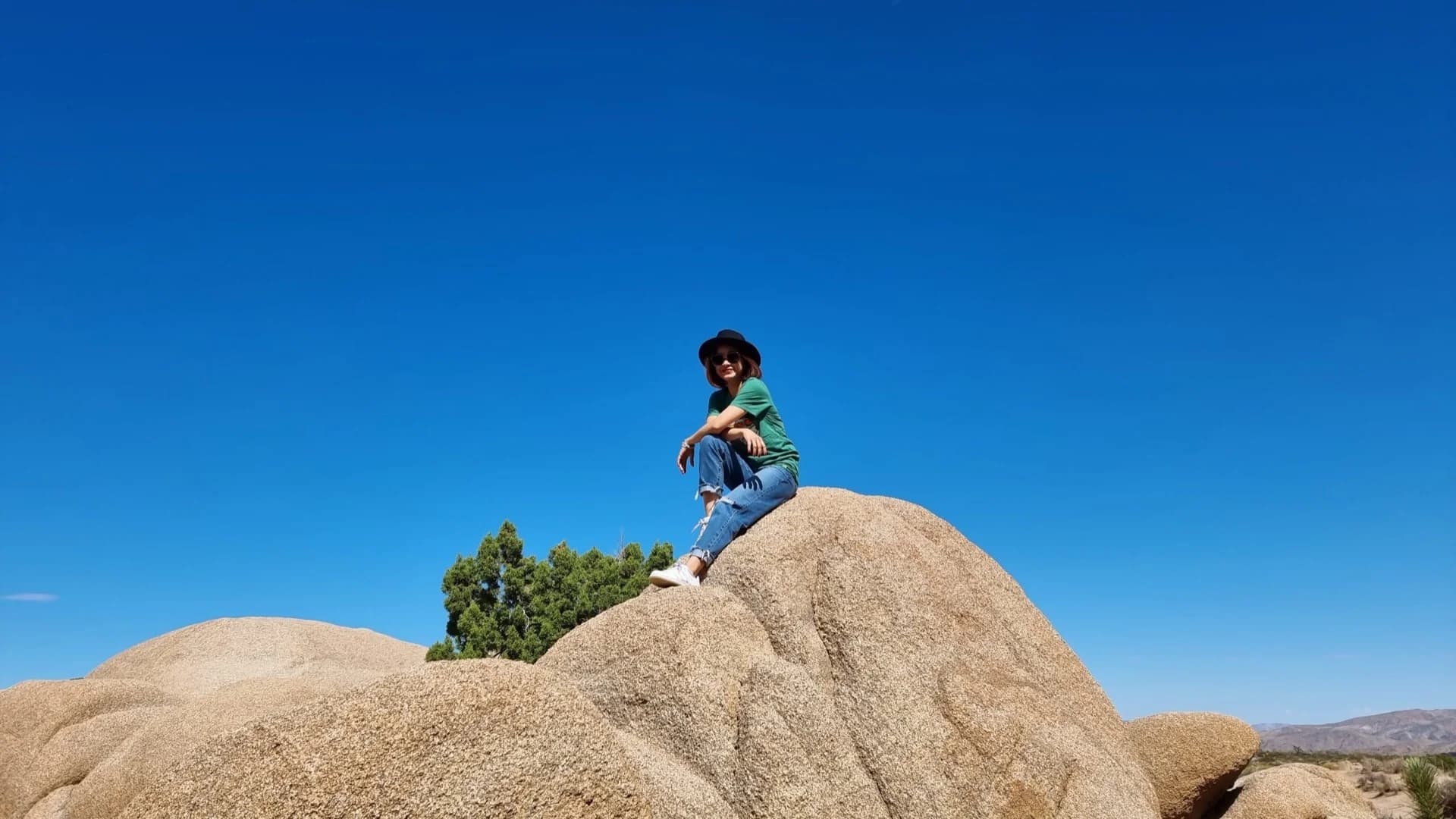
- Joshua Tree — Beautiful desert scenery, best October to May. The ranger at the visitor center was super helpful in planning our 4-5 hour itinerary. Our daughter hiked both Hidden Valley and Skull Rock easily. Full guide →
- Pinnacles — An underrated gem near the Bay Area. Although it falls short in beauty compared to Yosemite or Joshua Tree, Bear Gulch Reservoir is worth the trip. Fair warning: the cave trail requires crawling through tight spots — not ideal for very young kids. Full guide →
- Redwood — The tallest trees on earth. Walking among them is humbling in a way that's hard to describe. We found ourselves dwarfed by these ancient giants. If the front parking lot is full at Simpson-Reed trail, drive further in — there are always spots.
Utah (5 parks)
- Zion — Our #2 pick. See above.
- Bryce Canyon — Our #4 pick. See above.
- Arches — Our #8 pick. See above.
- Canyonlands — Grand in scale, less crowded than its Utah neighbors. The views from Island in the Sky district are staggering. Pairs perfectly with Arches since both are near Moab.
- Capitol Reef — The most underrated Utah park. Fewer visitors, excellent fruit orchards (yes, in the desert), and stunning red rock formations. We wish we'd given it more time. Read about our Utah trip →
Pacific Northwest (3 parks)
- North Cascades — Our #6 pick. See above.
- Mount Rainier — Stunning volcano with wildflower meadows in summer. The drive up is challenging with sharp turns, but the views are worth it. Bathroom tip: skip the crowded visitor center toilets and use the ones next to the car park — just a one-minute walk. PNW road trip →
- Crater Lake — The deepest lake in the US, with water so blue it looks unreal. Watch out for voracious mosquitoes on the Castle Crest trail though — we were told there'd be wildflowers in July, but found neither flowers nor relief from the bugs.
Southwest (2 parks)
- Grand Canyon — Our #5 pick. See above.
- Petrified Forest — A 200-million-year-old landscape that's surprisingly colorful. The Blue Mesa Trail is like walking through a natural museum. We were lucky enough to spot a rare animal sighting one afternoon — moments like these make it unforgettable. One day is enough. Full guide →
Others
- Yellowstone (WY) — Our #3 pick. See above.
- Saguaro (AZ) — Iconic cacti landscape near Tucson. Easy trails, good for a half-day visit. Not a destination park, but worth the stop if you're in southern Arizona.
- Lassen Volcanic (CA) — Volcanic landscapes and mud pots, great for kids who love science. Honestly it was probably our least favorite of the five parks on our PNW road trip — the scenery didn't differ significantly from other parks we'd visited, and the extreme heat plus sulfur smell wasn't ideal. PNW road trip →
Hawaiʻi (2 parks)
- Hawaiʻi Volcanoes (Big Island) — An active volcanic landscape unlike anything on the mainland. Between Maui and Big Island, we actually preferred Big Island — the landscape and scenery are more dramatic, and it also has genuinely nice beaches. Walking across a recent lava field while steam rises around you is surreal. If you're choosing one Hawaiian island for a national park visit, go Big Island.
- Haleakalā (Maui) — The sunrise from the summit is famous for a reason, and the volcanic crater is impressive. Maui is the more "resort" island of the two, but the park itself is beautiful. We enjoyed it, though Big Island's Volcanoes park left a stronger impression on us.
The East — Our Honest Takes
Full disclosure: this section is entirely our personal opinion. Many people love these parks, and I understand why — different families value different things. For our family, coming from the western parks, the eastern side just didn't match up. Your experience may differ.
Great Smoky Mountains (TN/NC) — This is the most-visited national park in the US, with over 50,000 Google reviews and sky-high ratings. We went in with high expectations. The landscape was... fine. But compared to the dramatic scenery of the western parks, it felt underwhelming for us. If you live nearby it's a nice weekend trip, but we wouldn't fly across the country for it.
Acadia (ME) — Too small and too commercial for our taste. There was a lot of human activity, and it didn't feel like wilderness the way western parks do. Cadillac Mountain sunrise is nice but not a must-do.
Dry Tortugas (FL) — This one attracts about 60,000 visitors per year, and after visiting, we understand why. The boat ride from Key West during winter season is very choppy — our family was not enjoying that ride. Fort Jefferson is interesting historically, but the overall experience was limited, especially for kids.
Mammoth Cave (KY) — This is the one eastern park that stands on its own. It's completely different from every other park — an underground cave system that's genuinely unique. It's not grand or dramatic in the traditional sense, but it's worth a visit if you're in the region. It wouldn't make our top 10, but it's not one we regret.
Everglades (FL) — So-so for our family. Flat landscape, mosquitoes, and limited wow factor for kids. The airboat tours are fun but feel more like a commercial attraction than a national park experience.
Shenandoah (VA) — Nice drive along Skyline Drive, pleasant enough scenery, but nothing we hadn't seen before. Best in fall foliage season if you're already in the DC area.
Practical Tips for Expat Families
A few things we've learned the hard way over 26 park visits:
- Shuttle systems: More parks are using mandatory shuttles (Zion, Bryce Canyon). Arrive early for shorter lines — our strategy is always the first shuttle of the day.
- Trail difficulty: "Easy" in NPS terms is genuinely easy with kids ages 3+. "Moderate" usually means ages 6+ and some elevation gain.
- Stroller-friendly trails: Pa'rus Trail (Zion), valley floor loops (Yosemite), and the South Rim trail (Grand Canyon) all work with strollers.
- Pack more snacks than you think. Park stores are limited and overpriced. We bring Asian food, instant noodles, and plenty of water.
- Layers are essential. Desert parks can swing 30-40°F between morning and afternoon. We've made the mistake of dressing for the afternoon and freezing at sunrise.
- Junior Ranger programs: Free at every park, and our daughter loved earning badges. Great way to keep kids engaged with the park's natural history.
- Reservations: More parks require timed entry or activity reservations each year. Always check recreation.gov before visiting.
- Cell service: Expect none inside most parks. Download offline maps and trail info before you go.
- McDonald's: Not kidding — along remote stretches of highway, McDonald's is the most reliable option for clean bathrooms and a quick break. We've used this strategy on every road trip.
Frequently Asked Questions
How much does it cost for international visitors to visit US national parks in 2026?
Starting January 2026, non-US residents aged 16+ must pay a $100 per person surcharge at 11 high-demand parks, on top of the standard entrance fee ($35 per vehicle at most parks). The Non-Resident America the Beautiful Annual Pass costs $250 and covers entry to all NPS sites without the surcharge. Green card holders and visa holders with proof of residency are exempt from the surcharge.
What are the best US national parks for families with young children?
Based on our experience visiting 26 parks, our top picks for young children (ages 3-5) are Zion (paved Riverside Walk trail), Yosemite (valley floor trails), and Yellowstone (wildlife viewing from the car). For older kids (ages 6+), add Bryce Canyon (Navajo Loop), Grand Canyon (South Rim trails), and Arches (short formation hikes).
How many days do you need for a national parks road trip?
It depends on the route. A Utah Grand Loop (5 parks) takes 7-10 days. The California Classic (Yosemite, Death Valley, Joshua Tree) takes 5-7 days. Our Pacific Northwest road trip covered 5 parks in 13 days. Budget at least 1-2 days per park, plus driving time.
Do you need reservations for US national parks in 2026?
Most parks don't require entry reservations — you just show up and pay. However, specific activities increasingly require reservations: Angels Landing at Zion (lottery permit), some Yellowstone roads in summer, and Yosemite's Half Dome cables. Campgrounds at popular parks book out 6 months in advance. Always check the specific park's NPS page before your trip.
What is the America the Beautiful Pass and is it worth it?
The America the Beautiful Pass costs $80 per year for US residents and covers vehicle entry to all 400+ National Park Service sites. If you plan to visit two or more parks in a year, it pays for itself. For non-residents, the Non-Resident Annual Pass at $250 covers the same access plus waives the new $100 surcharge at high-demand parks.
Are the east coast national parks worth visiting?
This is purely our personal opinion: if you're flying from the west coast specifically to visit east coast national parks, we'd say save your time and money. The western parks are in a different league for scenery. However, if you already live on the east coast or are visiting the region, Great Smoky Mountains and Mammoth Cave are worth a day trip. Mammoth Cave in particular is a genuinely unique experience you can't get anywhere else.
What's the best time of year to visit US national parks with kids?
Late September through October is the sweet spot for most parks — mild weather, fewer crowds than summer, fall colors, and most trails are accessible. Summer works for Pacific Northwest and high-altitude parks but is brutal in desert parks (100°F+). Winter is magical in Utah (snow on red rocks) but limits trail access in many parks. We align our trips with school breaks: fall break for most parks, Thanksgiving for the southwest, spring break for California parks.
Have you visited any of these parks with your family? I'd love to hear your takes — especially if you disagree with my eastern parks assessment. Maybe we just visited on off days :P