·Sub-Saharan Africa
South Africa media landscape 2019
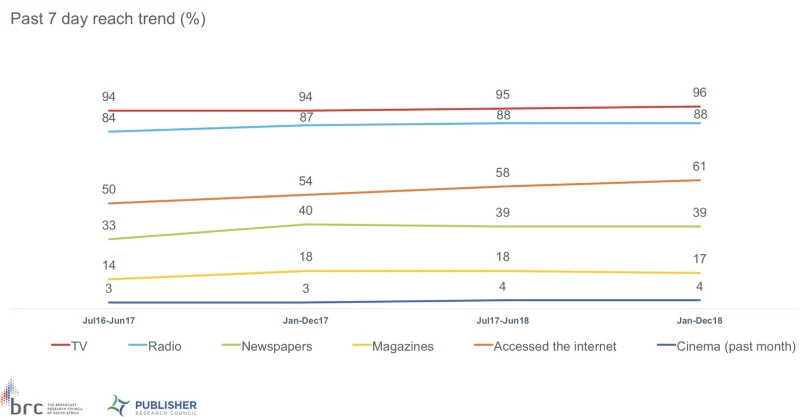
Despite 56% internet penetration and rising smartphone adoption, traditional TV and radio still dominate South Africa's media landscape—but mobile data is quietly reshaping how consumers connect.
507 posts about AI, learning, and building products
Despite 56% internet penetration and rising smartphone adoption, traditional TV and radio still dominate South Africa's media landscape—but mobile data is quietly reshaping how consumers connect.
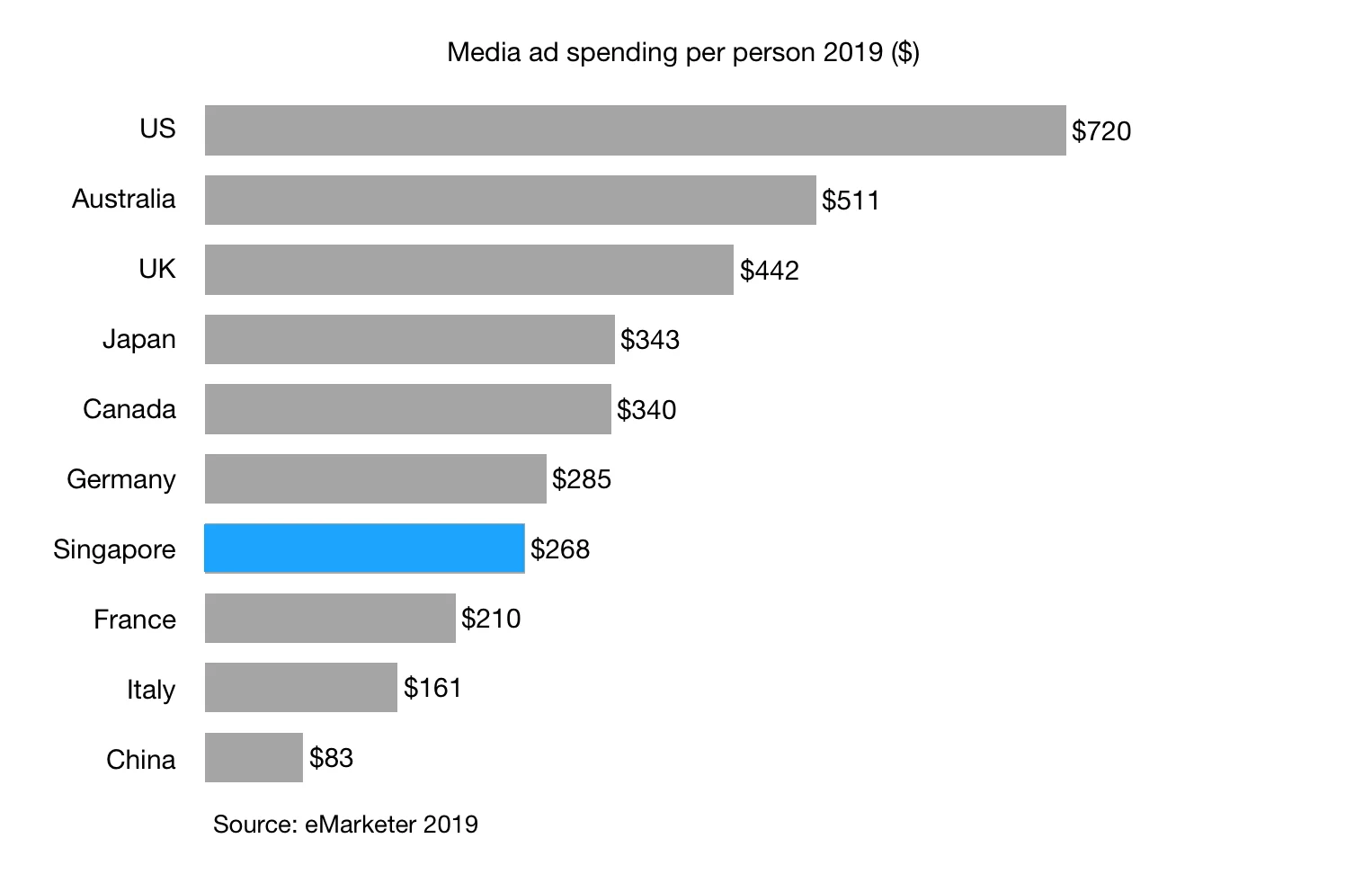
Despite 80% smartphone penetration and leading mobile payments adoption, Singapore's e-commerce lags far behind G7 countries—here's the data revealing surprising gaps in its advanced digital economy.
Taiwan punches far above its weight in gaming—ranking 15th globally in revenue despite being 56th in population, with gamers spending more per capita than almost anywhere else.
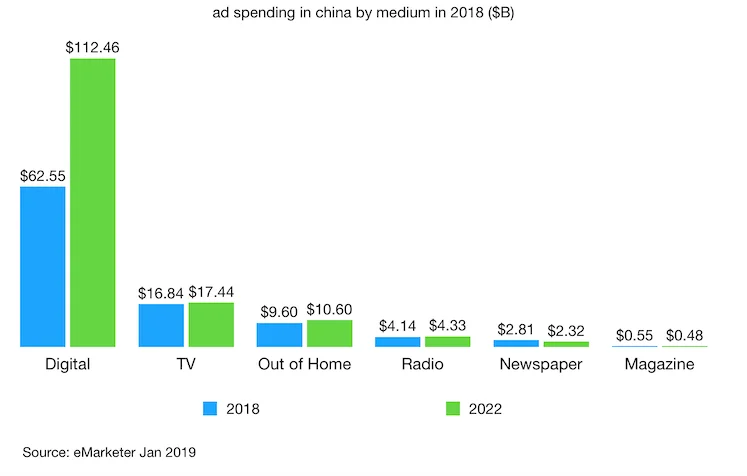
I've synthesized insights from eight deep-dive articles into one essential overview: China's digital ecosystem is more advanced than G7 countries, with 855M internet users spending 65% of ad budgets on mobile-first platforms dominated by BAT.
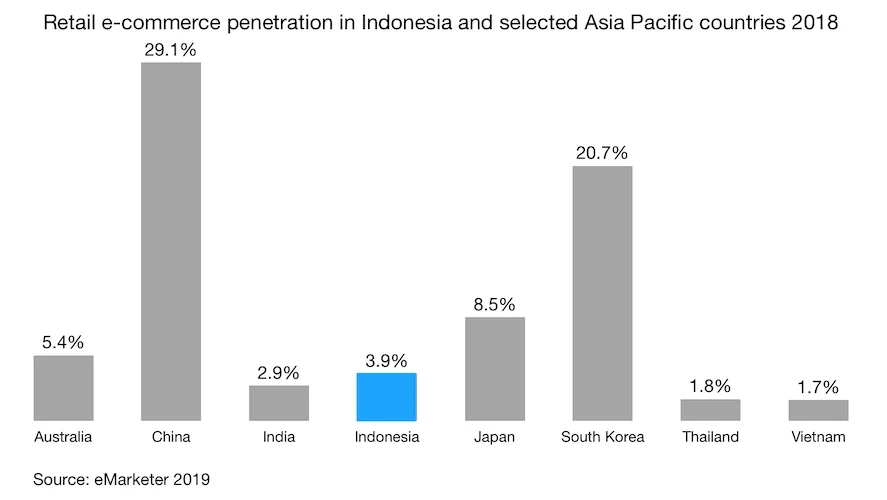
Indonesia's e-commerce market is under 5% penetration but growing at double-digit rates, with mobile dominating 2/3 of sales—here's the data breakdown.
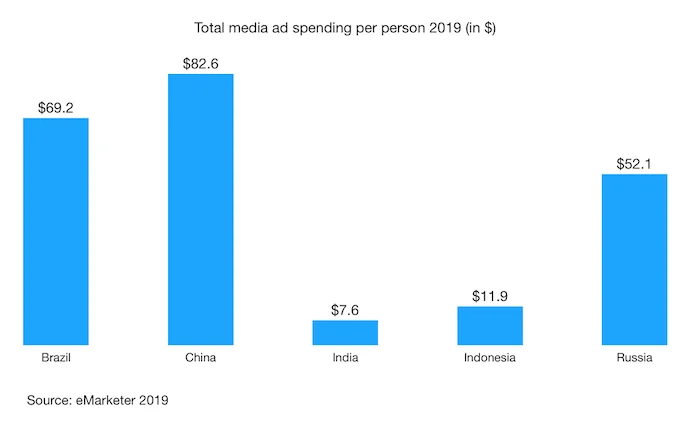
Indonesia's $3B ad market shows massive growth potential with per-person spending far below comparable economies, while TV still commands 60% share despite mobile's rise.

Australia's e-commerce lags behind China and G7 nations despite 14M+ digital buyers—but untapped mobile commerce and "buy now, pay later" trends reveal growth opportunities.

Australia leads G7 nations with 38% OTT video adoption, yet lags in mobile payments—a comprehensive data snapshot of digital penetration across devices and platforms.

Australians see more ads per person than most G7 countries, yet lead the world in blocking them—revealing a critical tension shaping the future of digital marketing.

We travel to China twice yearly without speaking Chinese—here's how we navigate tier 2 cities like Xi'an and Chengdu using translation apps, Didi, and rapid trains.
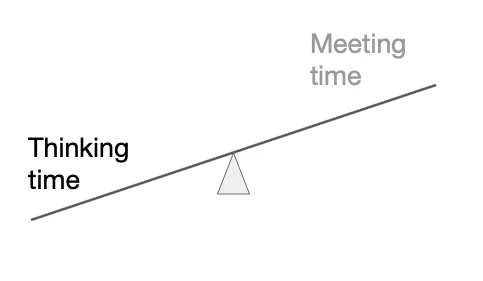
I block half of every Monday for thinking time—because in a world where $37B is wasted on bad meetings annually, protecting time to think isn't optional anymore.
Indonesia's 270+ million people make it the world's 5th largest internet market, with mobile-first users driving explosive growth in e-commerce and social media.