COVID 19 - A looming public health and humanitarian crisis in developing countries
COVID-19 won't end until the poorest countries are protected—closed borders and self-sufficiency won't save us when 7 billion people need vaccination.
486 posts about AI, learning, and building products
COVID-19 won't end until the poorest countries are protected—closed borders and self-sufficiency won't save us when 7 billion people need vaccination.

Ray Dalio's historical analysis reveals today's "unprecedented" events are actually predictable patterns—empires rise and fall in cycles, and understanding these helps us prepare for the shifting US-China power dynamic ahead.

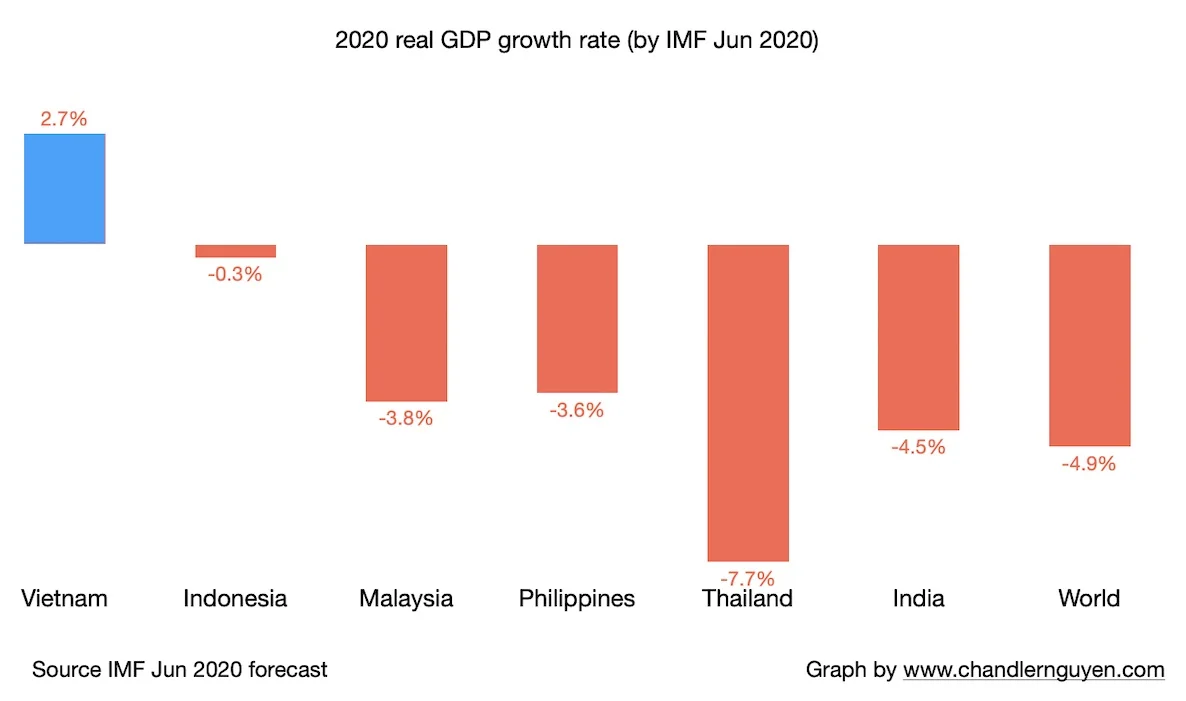
Vietnam—a developing country with 100M people, $3k GDP per capita, and 900 miles bordering China—had <300 COVID cases and zero deaths by April. Here's what worked.

I listened to the WHO team leader who witnessed China's COVID response firsthand, and his lessons on speed, free testing, and isolating mild cases could have saved us months.

I've found the most critical COVID-19 data sources you need: cases are doubling every 7 days globally, and these charts reveal which countries are in the most danger right now.
Kevin Rudd and a leading China economist cut through the noise to explain what Covid-19 really means for China's economy and reform agenda—with insights you won't find elsewhere.

Despite Singapore's world-leading smartphone adoption and GDP per capita 60% above the US, its e-commerce lags far behind China and South Korea—here's why.

South Korea ranks 3rd globally in e-commerce penetration despite being 28th in population—with growth rates 5x Japan's and mobile sales second only to China.

China's e-commerce market alone exceeds the rest of the world combined, while its billion internet users spend 4+ hours online daily on infrastructure matching the US.
I explore how automation and AI could displace 75 million jobs by 2022—but what happens to workers at 45 or 55 who can't easily retrain, or entire developing nations?
I've distilled insights from leading thinkers like Yuval Harari and Bill Gates on humanity's biggest threats—climate change, war, technology, and inequality.
While US GDP tripled since 1979, median wages grew just 6%—and for men, they fell 5%. The data reveals a stark disconnect between economic growth and worker prosperity.