·book review
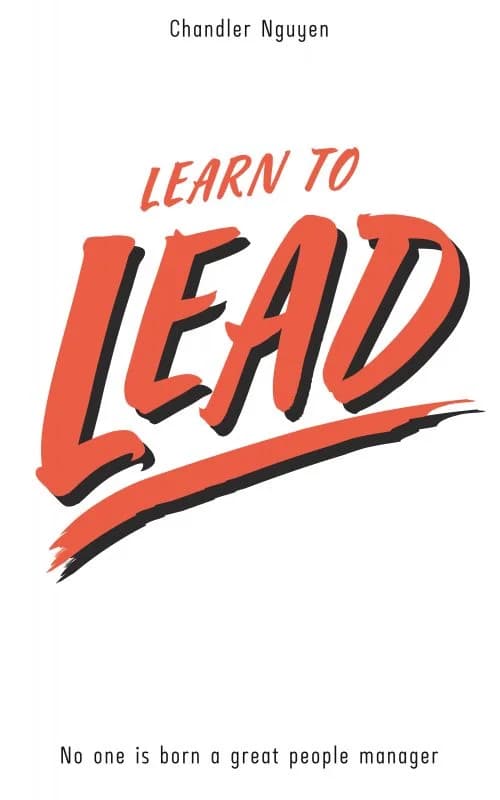
Learn to Lead: no one is born a great people manager
Being a brilliant individual contributor doesn't automatically make you a great manager—it's a specialty requiring years of practice and a burning desire to learn.
41 posts in this category
Being a brilliant individual contributor doesn't automatically make you a great manager—it's a specialty requiring years of practice and a burning desire to learn.
I discovered Ray Dalio's principles on radical transparency and debt cycles, transforming how I think about decision-making and building resilient portfolios.
Rifkin's vision of the third industrial revolution transformed how I think about climate change, investment sectors, and daily choices—offering a roadmap for our species' future.
I've learned that struggling through difficult client situations isn't career suicide—it's where the deepest growth happens, often leading to bigger wins down the road.
Working across Japan, Australia, and India taught me that effective leadership isn't about getting everyone to work like you—it's about adapting your style to each person.
When your team just agrees with the most senior person in the room, you're not getting the best ideas—you're building a culture where people stop speaking up.
I'm struggling daily with truly listening instead of just waiting for my turn to speak—here's how pausing before reacting is changing my relationships at work and home.
After countless mistakes managing teams, I learned trust, respect and confidence aren't automatic with your title—you have to earn them or you don't have a real relationship.
When work pushes you into becoming someone you don't recognize, remember: no project is worth losing yourself over—here's how I learned to survive it.
Assuming positive intent transformed how I handle puzzling decisions at work—it's the prerequisite for empowering teams and avoiding the trap of centralized control.
Nobody is born knowing how to manage people—but mastering team dynamics, structure, and development requires far more than technical skills or team bonding.
I've learned that viewing work as a mutual choice—not an obligation—transforms how we handle pressure, long hours, and tough relationships, making us better leaders.